You need a good way to pick the right jaw crusher for your work in 2026. First, find out what your feed material is like. Set clear goals for how much you want to produce. Know how much money you can spend. Pick features that fit your material and how much you need to make. Be ready if your needs change later. Use easy steps to help you choose with confidence.
Know your feed material’s size and hardness to pick the right jaw plates. Pick a jaw crusher size that fits your biggest feed material and the output size you want. Pick fixed or mobile jaw crushers based on your work site and how much you need to move them. Check jaw plates often for wear or damage to keep crushing well and avoid stopping work. Work with trusted vendors who give good support and fast spare parts.
Start by looking at the feed material you want to crush. The type of feed material is important for every crushing job. Check things like particle size, shape, and how hard the material is. If you use soft rock, it breaks easily. Hard rock needs more force to crush. Some rocks are easy to break, but others are tough. You also need to think about how rough the material is. Rough materials wear out jaw plates faster. If you know these things, you can pick jaw plates that last longer and work better.
Tip: Always test a small sample of your feed material before picking a jaw crusher. This helps you see how the crushing works and how the jaw plates will do.
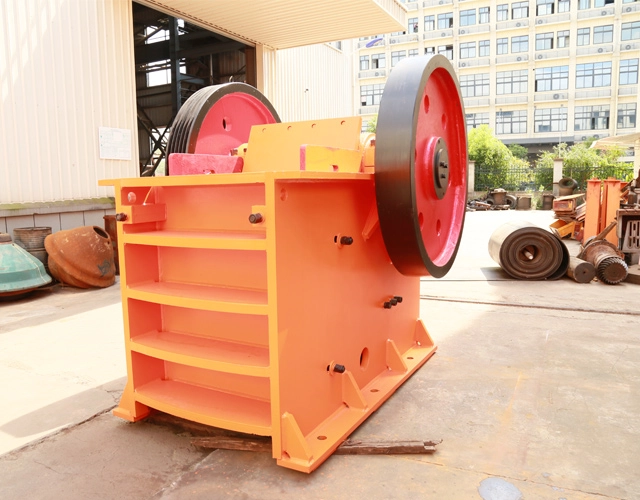
You need to pick the right size jaw crusher for your main crushing job. Look at the size of the feed material. Big pieces need a bigger crusher. Small pieces can use a smaller machine. The right size helps the jaw plates crush the material without trouble. Check the shape of the particles too. Flat or sharp pieces may need special jaw plates. Make a list of what you need for your crushing job:
Biggest size of feed material
Size you want after crushing
How much you want to make each hour
A table can help you look at different jaw crusher models:
Model | Max Feed Size | Output Size Range | Jaw Plates Type |
|---|---|---|---|
PE1200x1500 | 1000 mm | 160-320 mm | Heavy Duty |
PE900x1200 | 750 mm | 95-265 mm | Standard |
You need to match the jaw plates to the feed material and size. This helps you get the best results for your crushing job.
Image Source: pexels
When you look at types of crushers, you will see many options. Sinonine offers several jaw crushers for different jobs. You need to know which one fits your work best. Selecting the right type of crusher helps you get the most from your equipment.
You can choose between fixed and mobile jaw crushers. Fixed jaw crushers stay in one place. You use them when your crushing site does not change. These machines work well for large mining or quarry projects. Mobile jaw crushers move from site to site. You use them when you need to crush material in different places. They are easy to set up and take down. Both types of crushers use strong jaw plates to break down rocks. You should think about your work site and how often you move. Matching crusher type to your needs makes your job easier.
Note: If you work in a large plant, a fixed jaw crusher may be best. If you work on many sites, a mobile jaw crusher gives you more flexibility.
You also need to look at the toggle system. Single toggle jaw crushers use one moving jaw plate. This design gives you a simple machine with fewer parts. It works well for most jobs. Double toggle jaw crushers use two jaw plates that move. This system gives you more crushing force. You use it for very hard or tough materials. The jaw plates in both types handle the main crushing work. You must check the wear on jaw plates often. Good jaw plates last longer and keep your crusher running well.
Here is a quick guide to help you:
Types of Crushers | Jaw Plates Used | Ideal Applications |
|---|---|---|
Fixed Jaw Crusher | Heavy Duty | Large, steady operations |
Mobile Jaw Crusher | Standard | Projects with many locations |
Single Toggle | Simple | Most materials |
Double Toggle | Reinforced | Hard, abrasive materials |
Matching crusher type to your material and site keeps your work smooth. When you focus on jaw plates and types of crushers, you make better choices. This helps you get the best results from your jaw crusher.
When you pick a crusher, you need to think about many things. First, look at your feed material. You should know its size, how hard it is, and its shape. This helps you choose jaw plates that last longer and work well. Check the biggest size of your feed material. This tells you which jaw crusher will fit your job.
Think about how much material you want to crush. You need a jaw crusher that can handle all your feed material. Decide what size you want the crushed material to be. This helps you pick the right jaw plates for your needs.
You want a jaw crusher that lasts a long time. Strong jaw plates mean you do not have to change them often. It is good if the crusher is easy to fix and clean. This saves you time and money. Price is important too. You need to find a crusher that is good quality and not too expensive. If your feed material changes, you need jaw plates that can change too.
Here is a simple checklist for picking a primary crusher:
Type and hardness of feed material
Biggest feed size
Size you want after crushing
How much you need to crush
How strong the jaw plates are
How easy it is to fix and clean
Price and how easy it is to change
Tip: Always check your list before you pick a primary crusher. This helps you make the best choice for your work.
You need to match the crusher’s capacity to your goals. If you want to crush a lot, pick a jaw crusher with high capacity. Sinonine has crushers that can handle lots of feed material. You can choose jaw plates that fit your job. The right jaw plates help you get the size you want.
Sinonine jaw crushers are easy to take care of. You can change jaw plates fast. The lubrication system keeps the crusher working well. You do not have to fix the machine often. The crusher is not very loud and does not make much dust. This makes your work safer and cleaner.
You can see the features in this table:
Feature | Benefit for Optimal Production |
|---|---|
High throughput capacity | Handles more feed material |
Easy jaw plates change | Less downtime, more output |
Reliable lubrication | Smooth crushing operation |
Low noise | Safer work environment |
Flexible adjustment | Adapts to changing feed material |
You get the best results when you match capacity, output, and maintenance to your needs. Picking a crusher with strong jaw plates helps you reach your goals. You can trust Sinonine for easy care and good performance.
Note: If you want better crushing, focus on jaw plates and taking care of your machine. This helps your jaw crusher last longer and work better.
Image Source: pexels
You need to know how jaw crushers compare to other machines. The most common alternative is the gyratory crusher. Both machines break rocks, but they do it in different ways. Jaw crushers use jaw plates to crush material. Gyratory crushers use a cone-shaped surface and a moving shaft. You see jaw plates in jaw crushers, but not in gyratory crushers.
Here is a table to help you see the differences:
Crusher Type | Crushing Method | Jaw Plates Used | Feed Size | Maintenance |
|---|---|---|---|---|
Jaw Crusher | Compression | Yes | Large | Easy |
Gyratory Crusher | Rotational Compression | No | Very Large | Hard |
Jaw plates in jaw crushers handle the main crushing work. Gyratory crushers do not use jaw plates. You change jaw plates often in jaw crushers. Gyratory crushers need more complex parts.
Note: Jaw plates make jaw crushers easy to fix and clean. Gyratory crushers need more skill to maintain.
You should pick a jaw crusher when you want simple operation. Jaw plates make the machine easy to use. You get good results with jaw plates for most feed materials. If you work with hard rocks, jaw plates last longer. Gyratory crushers work best for very large projects. You see jaw plates in jaw crushers for mining, construction, and recycling.
Use jaw plates when you want:
Simple maintenance
Fast jaw plates change
Good crushing for many materials
Less downtime
Choose a jaw crusher if you need a machine that uses jaw plates for easy care. Gyratory crushers fit big jobs, but jaw plates in jaw crushers give you flexibility. You can use jaw plates for many types of crushers, but jaw crushers make it simple.
Tip: Always check your feed material and job size. Jaw plates in jaw crushers help you work faster and safer.
You need to inspect jaw crushers before you buy. Look at the machine closely. Check the condition of jaw plates. Make sure the jaw plates fit your feed material. Ask the vendor to show you how the jaw plates work with your feed material. Test the crusher with a sample of your feed material. Watch how the jaw plates crush the feed material. See if the jaw plates wear down quickly. You want jaw plates that last a long time. Use a checklist to help you:
Check jaw plates for cracks or wear.
Test the crusher with your feed material.
Watch the output size after the jaw plates crush the feed material.
Ask about how easy it is to change jaw plates.
Tip: Always test the crusher with your own feed material. This shows how the jaw plates handle your job.
You need good support after you buy a crusher. Ask the vendor about spare jaw plates. Find out how fast you can get new jaw plates. Ask about help with changing jaw plates. Sinonine gives you strong after-sales support. You get EPC services, technical help, and fast answers. You can call for help any time. Sinonine sends experts to help you with jaw plates and feed material.
Look at real cases. In Bahrain, a customer used two PE1200x1500 jaw crushers. The jaw plates handled tough feed material. The customer got help with jaw plates and feed material from Sinonine. In Ecuador, a customer used a PE900x1200 jaw crusher. The jaw plates worked well with the feed material. The customer got fast support and learned how to change jaw plates.
Vendor Service | What You Get |
|---|---|
Spare jaw plates | Quick delivery |
Technical support | Help with jaw plates |
EPC services | Full project help |
Note: Pick a vendor who helps you with jaw plates and feed material. Good support keeps your crusher working.
You can choose the best jaw crusher by following a clear process. Start by checking your feed material. Match the crusher to your job and plan for future needs. Use these steps:
Study your material and goals.
Compare crusher types and features.
Test and inspect before buying.
Work with trusted vendors like Sinonine.
Tip: Try hands-on tests and ask experts for advice. This helps you make the right choice.
You use a jaw crusher to break big rocks into smaller pieces. It works best for mining, construction, and recycling jobs. You can crush hard materials like stone, concrete, and quartz.
You check the biggest size of your feed material. You pick a crusher that can handle that size. You also look at how much you want to crush each hour.
You change jaw plates when you see wear or cracks. You check them often. If you crush hard or rough material, you change them more quickly.
You can change jaw plates fast. The lubrication system keeps parts moving smoothly. You get help from Sinonine’s technical team if you need support.
Yes! You can use a jaw crusher for many materials. You adjust the jaw plates and settings to fit your feed material. You get good results for stone, sand, and other materials.
Pre: Typical applications for a jaw crusher
Next: no more