How does a ball mill turn hard materials into fine powder without cutting tools? This article explains the principle of a ball mill, from impact and attrition to critical speed. You will learn how it works and why this grinding method delivers stable, reliable performance.
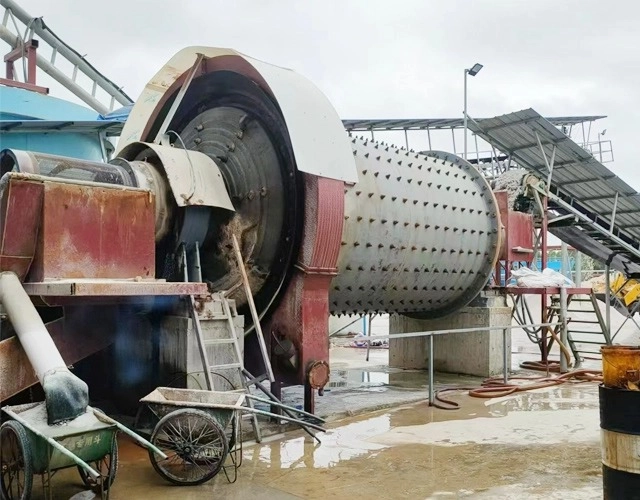
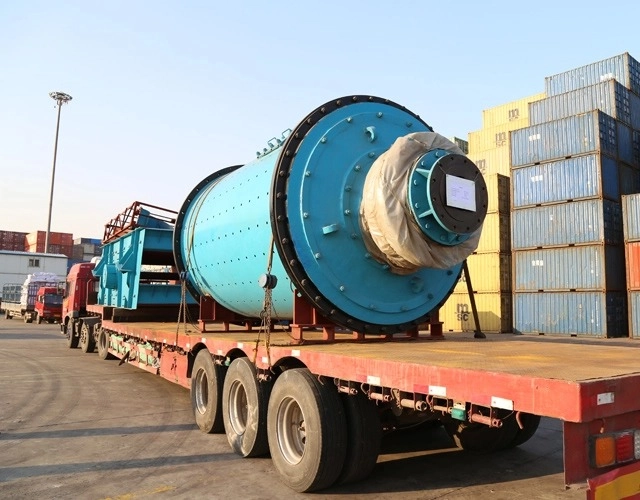
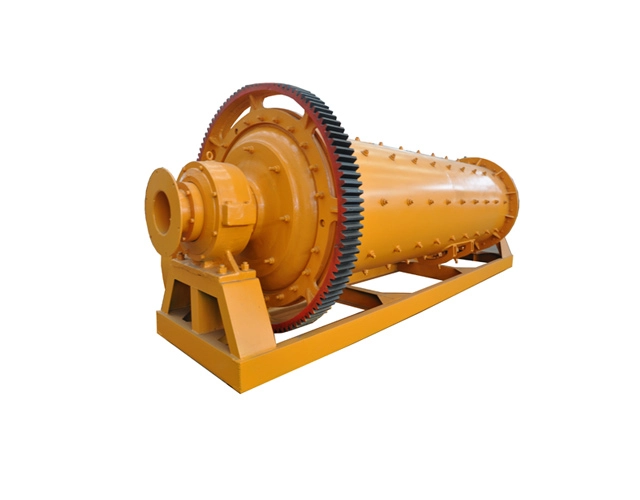
A ball mill is a rotating cylindrical grinding machine designed to reduce material size through motion and contact force rather than cutting. Inside the cylinder, grinding media such as steel or ceramic balls move together with the material as the shell rotates. They rise along the inner wall, then fall or roll back down, creating repeated impact and friction.
This simple but effective motion allows the ball mill to grind hard, brittle, or abrasive materials into smaller particles in a controlled way. Because it relies on mechanical movement instead of sharp tools, the ball mill handles materials that are difficult to process with traditional milling equipment.
Key characteristics that define a ball mill include:
● A hollow cylindrical shell rotating around its longitudinal axis to drive internal motion.
● Grinding media that replaces cutting tools and provides impact and attrition.
● An enclosed grinding chamber that supports continuous and uniform size reduction.
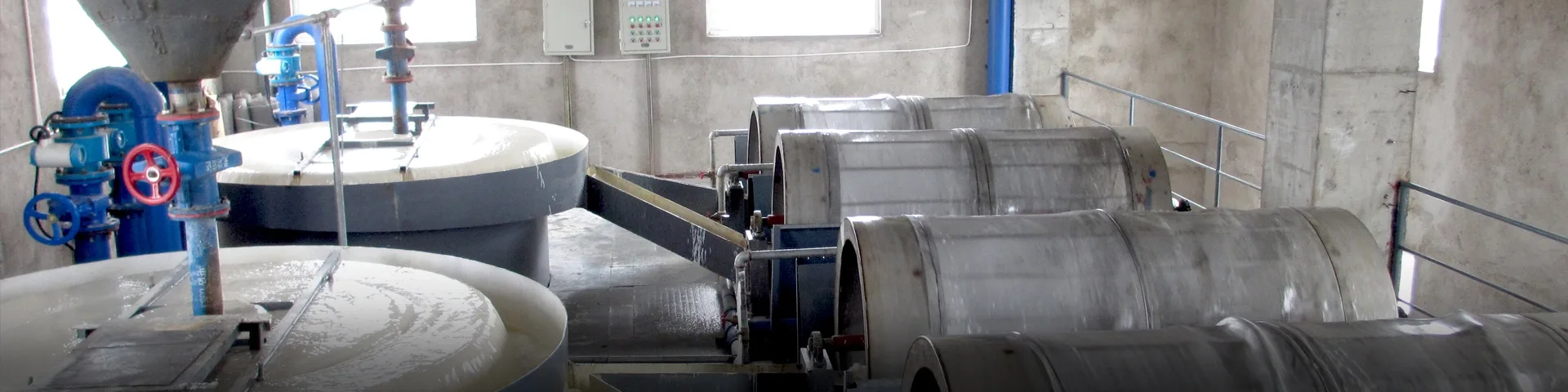
In many processing plants, they use a ball mill to produce fine and uniform powder that downstream equipment depends on. In mineral and silica sand processing lines, uniform particle size improves separation efficiency and final product quality.
That is why ball mills are often integrated into complete production systems delivered by Sinonine. The same grinding principle supports both wet and dry operation, giving engineers flexibility when designing or upgrading a plant.
Typical industrial goals achieved through the ball mill principle include:
● Reducing hard and brittle materials into fine, usable powder.
● Keeping output quality stable during long, continuous operation.
● Supporting large-scale production without frequent shutdowns.
Industrial Requirement | How the Ball Mill Principle Supports It |
Fine particle size | Repeated impact and attrition refine material step by step |
Process stability | Simple mechanical motion reduces variability |
Continuous operation | No cutting tools to replace during grinding |
In a ball mill, impact is the first force that starts size reduction. As the cylindrical shell rotates, the grinding balls are lifted along the inner wall and then dropped due to gravity. When they fall, they strike the feed material directly. This repeated dropping action creates strong impact energy, which is especially effective for breaking coarse and brittle particles.
From an operational view, impact works best when rotation speed stays near the optimal range. Too slow, and the balls only roll. Too fast, and they stick to the wall.
Attrition takes over once particles become smaller. Inside the ball mill, balls slide and rub against each other and against the material. This friction gradually wears particles down, turning rough fragments into fine powder. Unlike impact, attrition is a slower and more controlled process. It smooths particle surfaces and narrows size distribution, which is important for downstream processing.
In real production, attrition happens continuously while impact is still occurring. They do not work separately. As particles get finer, they spend more time between balls rather than being hit directly. This is why ball mills can achieve very fine particle sizes without sharp tools.
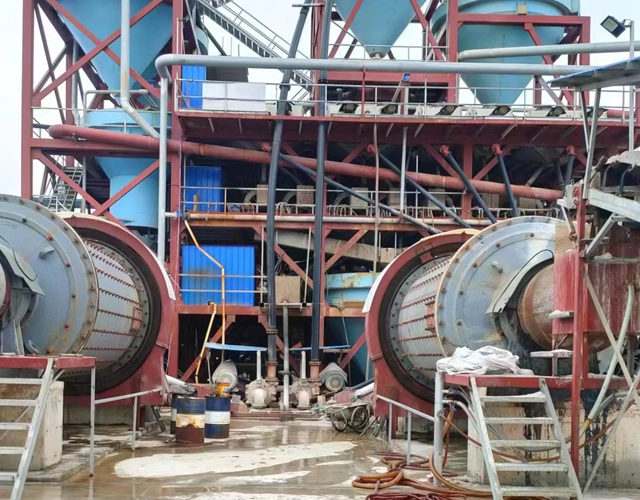
Impact alone cannot produce fine powder, and attrition alone cannot break large feed material. The strength of the ball mill principle comes from how these two forces work together inside the same rotating chamber. Impact handles coarse size reduction early in the process. Attrition takes over as particles become smaller and more uniform. They overlap constantly, creating a smooth transition from crushing to fine grinding.
The interaction between these forces depends on operating conditions. Rotation speed, ball load, and material properties all influence which force dominates at a given moment. This balance explains why the ball mill principle remains flexible across many industries. It adapts naturally as material size changes, without complex controls or frequent adjustments.
Grinding Force | Main Role in a Ball Mill | When It Dominates |
Impact | Breaks large and coarse particles | Early grinding stage |
Attrition | Refines particles into fine powder | Later grinding stage |
Combined action | Ensures uniform size reduction | Throughout operation |
The mechanical reliability of a ball mill comes from its simplicity. There are no cutting edges to wear out or precise tool angles to maintain. The grinding action depends on rotation, gravity, and contact force. Because of this, the motion inside the mill is predictable and easy to control. When speed and load stay within design limits, the grinding behavior remains stable.
This reliability is why ball mills are widely used in continuous production lines. They can run for long periods without major changes in performance. For processing plants, this means fewer interruptions and more consistent output. The principle does not change across scales, which makes it suitable for both small systems and large industrial installations.
The working process of a ball mill starts at the feeding stage. Materials such as ore, quartz, ceramics, or other brittle solids enter the mill through the feed inlet. They usually arrive after crushing, so particle size stays within a controlled range. This matters because oversized feed reduces grinding efficiency and increases energy waste. We want material to flow steadily, not in bursts, so the grinding action remains stable. Consistent feed size also helps the grinding media interact evenly, which supports predictable results over long runs.
Key feeding considerations include:
● Feed particle size small enough to allow effective impact.
● Steady and continuous material flow into the mill.
● Compatibility with wet or dry grinding operation modes.
Once material enters, internal motion drives the entire grinding process. The hollow cylindrical shell rotates around its longitudinal axis. As it turns, grinding balls are carried upward along the inner lining, then fall or roll back due to gravity. This creates cascading, tumbling, and rolling movements inside the ball mill. Each motion contributes differently to grinding, but together they ensure constant contact between balls and material.
The balance between rotation speed and ball load controls these movements. If speed stays too low, balls mainly roll. If speed climbs too high, they stick to the wall. Proper design keeps motion in the effective grinding zone. That is why the ball mill principle remains reliable across different capacities.
Grinding inside a ball mill happens in stages, not all at once. Larger balls dominate early stages, where coarse particles still exist. Their weight and impact energy break material quickly. As particles get smaller, they move into spaces between balls. Smaller balls then take over, applying attrition and fine grinding. This staged process allows gradual and efficient size reduction without sudden overload.
Operators do not need to separate these stages manually. They happen naturally inside the rotating chamber. By adjusting ball size distribution, they can influence how quickly material moves from coarse to fine grinding.
Grinding Stage | Dominant Ball Size | Main Grinding Action |
Coarse grinding | Larger balls | High-impact breakage |
Intermediate grinding | Mixed sizes | Impact and attrition |
Fine grinding | Smaller balls | Friction and polishing |
After grinding, material exits the ball mill through the discharge end. By this point, particle size depends on how long material stayed inside. Longer residence time usually produces finer particles. Shorter time allows coarser output. We can control this by adjusting feed rate, discharge design, or internal load. The process stays continuous, so material constantly enters and leaves the mill.
The discharge stage connects grinding to downstream processes such as classification or separation. Stable discharge flow helps keep overall production balanced.
Critical speed is a key concept behind how a ball mill actually grinds material. It refers to the rotation speed at which centrifugal force becomes strong enough to hold the grinding balls against the inner wall of the mill. When this happens, the balls stop falling. They rotate together with the shell, and grinding action almost disappears.
Above it, they cling to the wall. In real operation, they run the ball mill at a percentage of this speed to keep impact and friction working together.
Speed Condition | Ball Movement | Grinding Effect |
Below critical speed | Balls roll and slide | Mostly attrition |
Near optimal speed | Balls lift and fall | Impact + attrition |
At critical speed | Balls stick to wall | Grinding stops |
At low rotation speed, the balls mainly roll over each other. Grinding still happens, but it relies mostly on friction. This works for fine material, but it struggles to break coarse feed efficiently. As speed increases toward the optimal range, the balls rise higher and fall with more force. Impact becomes stronger, and grinding efficiency improves.
They avoid running too fast. Excessive speed wastes energy and increases wear without improving output. Operators usually adjust speed during commissioning, then keep it stable. This approach fits well in continuous production lines, where steady performance matters more than short-term gains.
Key operating speed goals include:
● Enough lift to create repeated ball impact.
● Controlled falling motion for consistent grinding.
● Avoiding centrifugal motion that stops size reduction.
Rotation speed affects every part of the ball mill process. It controls ball motion, energy transfer, and wear rate. Mill design also plays a role. Diameter, length, and liner shape influence how balls move inside.
A well-designed ball mill keeps motion predictable, so grinding remains stable even during long runs. Speed and structure must match, not compete.
Grinding media shape how energy transfers to the material. Ball size distribution matters more than people expect. Large balls break coarse particles. Smaller balls fill gaps and refine fine material. Density affects impact force. Material choice affects contamination and durability. Together, these factors decide how clean and efficient the grinding process stays.
Operators often mix ball sizes rather than using a single size. This allows different grinding actions to happen at the same time. Media material selection also matters in high-purity processing, where unwanted impurities must be avoided.
Media Property | Influence on Grinding |
Ball size | Controls coarse vs fine grinding |
Density | Affects impact energy |
Material | Impacts wear and product purity |
Material behavior inside a ball mill depends on hardness, moisture, and feed size. Hard materials resist breakage and need stronger impact. Moist materials may stick or cushion impact. Oversized feed slows grinding and raises energy use. Operators manage these variables by adjusting filling ratio and residence time instead of changing the basic machine.
Filling ratio controls how much space balls and material occupy. Too low, and grinding weakens. Too high, and movement becomes restricted. Residence time connects directly to final particle size. Longer time means finer output. Shorter time keeps material coarser.
This article explains how the ball mill works through impact and attrition to achieve stable size reduction. It covers critical speed, internal motion, and operating conditions that control grinding efficiency. A ball mill delivers reliable performance for fine and uniform powder production. Companies like Sinonine apply this proven principle in robust equipment and integrated services, helping users achieve stable output, long service life, and consistent processing value.
A: A ball mill works through impact and attrition as balls fall and rub material.
A: The ball mill breaks particles using repeated impact and friction inside a rotating shell.
A: Critical speed controls ball movement and ensures effective grinding inside the ball mill.
A: A ball mill handles ores, quartz, ceramics, and other brittle materials.
A: Yes, a ball mill supports continuous grinding with stable and predictable performance.
Pre: How does a jaw crusher work
Next: What Is A Ball Mill