Why do many plants still rely on a ball mill while others switch to roller mills? This article explains the real differences between a ball mill and a roller mill. You will learn how they work, where each fits best, and how to choose wisely.
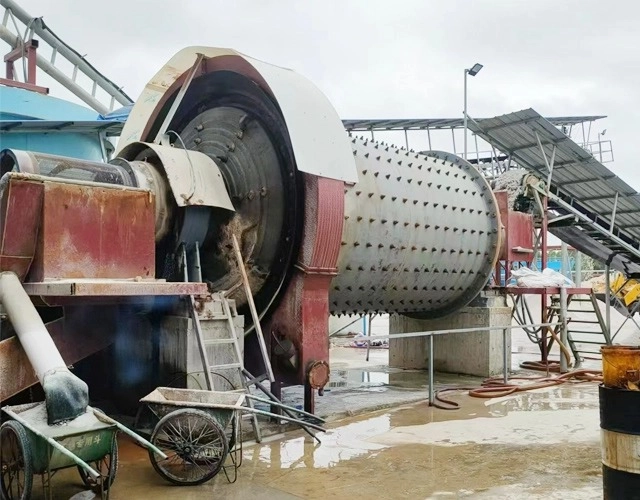
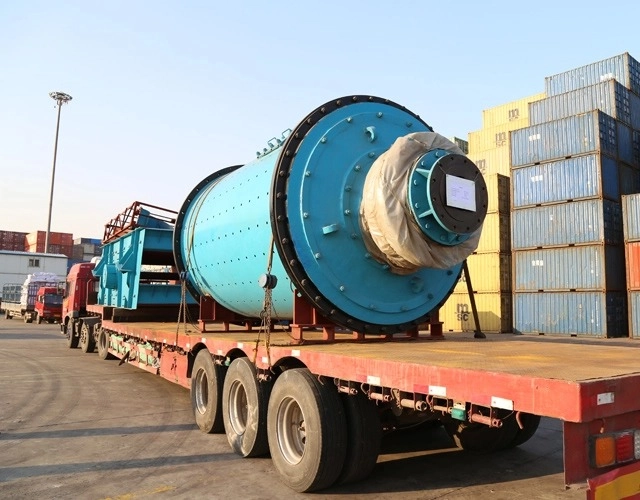
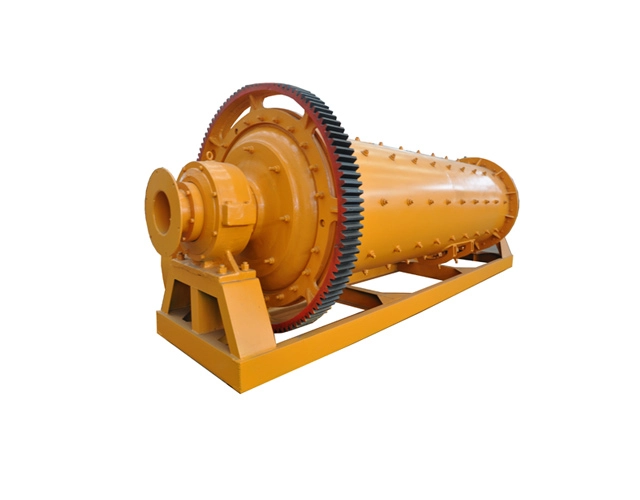
A ball mill is a horizontal rotating grinding machine widely used in mineral processing, cement, and silica sand production. It works by rotating a cylindrical shell filled with steel balls and raw material. As the shell turns, the balls are lifted and then dropped, creating strong impact forces. At the same time, friction between the balls and the material further reduces particle size.
This combined action makes the ball mill highly adaptable to different feed sizes and material hardness, which is why many processing lines still rely on it for stable grinding performance.
Key operational features commonly associated with a ball mill include:
● Continuous rotation that keeps material moving and evenly ground.
● Steel balls of different sizes working together to improve grinding efficiency.
● A discharge system that allows finished powder to exit steadily while new material enters, keeping production balanced.
Ball Mill Aspect | Practical Meaning in Operation |
Grinding force | Strong impact and abrasion |
Material adaptability | Handles hard and abrasive feeds |
Process type | Wet or dry grinding supported |
Operation style | Mature and easy to control |
A roller mill uses a very different grinding approach. Instead of impact, it relies mainly on compression. Material falls onto a rotating grinding table, where rollers press it into a thin bed. As pressure increases, particles break against each other, which improves energy efficiency and limits unnecessary fine generation. Airflow passes through the mill body, carrying qualified fine particles to a separator while returning coarse particles for further grinding.
This vertical configuration allows the roller mill to integrate grinding, drying, and classification into one system. That integration reduces the number of auxiliary machines and shortens the overall process flow.
Roller mills stand out because they:
● Reduce over-grinding through short material residence time.
● Offer fast fineness adjustment by changing airflow or separator speed.
● Support large-scale production where energy efficiency matters most.
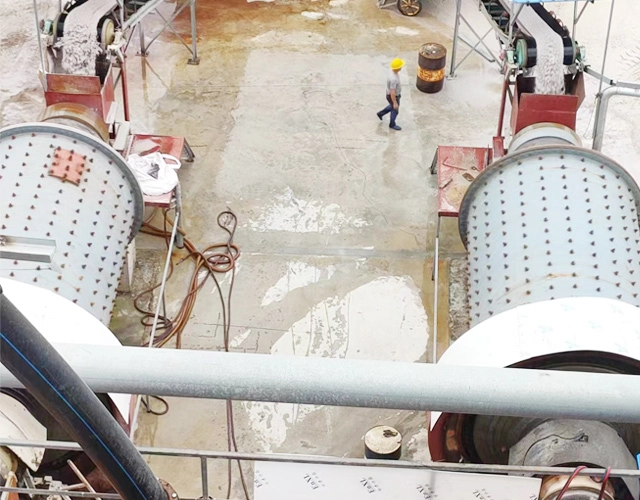
A ball mill grinds material mainly through impact and abrasion. As the shell rotates, steel balls rise and fall, striking the feed again and again. This grinding style is very tolerant. It keeps working even when feed size changes or material hardness fluctuates. That tolerance explains why ball mill systems remain common in mineral and silica sand plants designed and supplied by , where long-term stability matters more than compact layout.
Material stays inside a ball mill for a longer time. It travels slowly from the inlet to the outlet while balls keep lifting and dropping. This long path supports fine grinding and good size reduction, but it can also cause repeated grinding of already fine particles. Operators often fine-tune speed and media size to balance output and power use.
In a roller mill, material moves fast. Centrifugal force pushes it outward, while airflow separates fine particles almost immediately. Once particles meet the target size, they leave the mill.
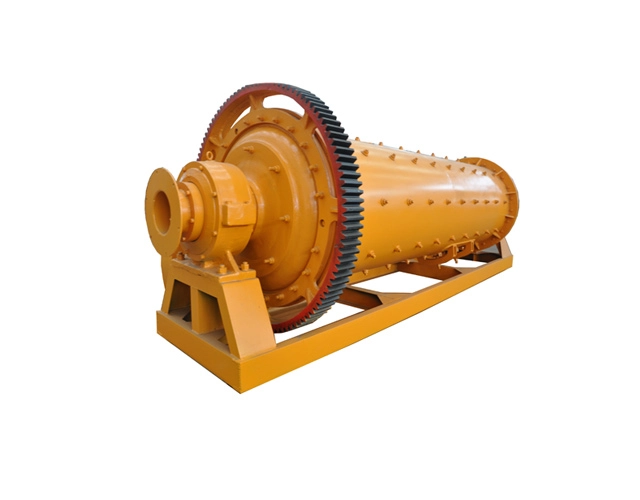
Grinding style directly affects particle shape and size spread. A ball mill tends to produce near-spherical particles because of rolling and collision. This shape helps later steps like mixing, calcination, or hydration. Roller mills usually deliver a narrower size distribution. Classification happens inside the mill, so fines exit early and avoid extra breakage.
Over-grinding appears more often in ball mill systems because particles remain inside longer. Roller mills reduce that risk by design. Their quick separation improves uniformity and lowers unnecessary energy use, especially in continuous production lines.
Performance Aspect | Ball Mill | Roller Mill |
Grinding mechanism | Impact and abrasion | Compression and shear |
Residence time | Long | Short and controlled |
Particle shape | Near-spherical | Flatter, fractured |
Size distribution | Wider | Narrow and stable |
Over-grinding risk | Higher | Lower |
Process tolerance | Strong | Moderate |
A ball mill uses energy mainly to lift and drop grinding media. As the shell rotates, steel balls are carried upward and then fall, creating impact force. This motion is effective for breaking hard material, yet part of the energy is spent on moving the media itself rather than grinding. Under similar capacity and fineness, ball mill systems usually show higher specific power consumption, especially during fine grinding stages.
Typical energy-related characteristics of a ball mill include:
● Power loss from repeated lifting and falling of steel balls.
● Higher energy demand during fine grinding.
● Adjustable efficiency through ball size, loading, and rotation speed.
Roller mills reduce energy use by relying on material bed compression. Rollers press particles together on the grinding table, so particles crush each other. Qualified fines leave the grinding zone quickly, which limits repeated grinding and wasted power. This makes roller mills attractive in energy-sensitive operations.
They perform best when feed conditions stay stable. Under controlled input, they deliver high capacity at lower power levels, especially in large continuous systems.
Key energy-saving features of roller mills include:
● No need to lift grinding media.
● Fast removal of finished particles.
● Lower specific energy consumption at high throughput.
Ball mill operation is simple and well understood. Operators adjust speed, feed rate, and media composition. The system responds slowly, which helps absorb feed fluctuations and keeps production steady. This makes ball mills easier to run in sites with limited automation experience.
Roller mills depend more on automation. They use pressure control, airflow regulation, and dynamic classifiers. This allows quick fineness adjustment and precise control, but it also increases reliance on sensors and skilled operators.
Operational control differences often show in:
● Ball mill systems favoring manual or semi-automatic control.
● Roller mill systems using centralized and automated adjustment.
● Different learning curves for plant operators.
Wear patterns differ clearly. In a ball mill, liners and grinding media wear continuously and need regular replacement. The work is frequent, yet procedures are familiar and downtime is predictable. Spare parts management stays straightforward.
Roller mills concentrate wear on rollers and grinding tables. Wear progresses slower, but maintenance tasks require higher skill. When shutdown occurs, it may take longer.
Maintenance Aspect | Ball Mill | Roller Mill |
Main wear parts | Liners, grinding media | Rollers, grinding table |
Wear frequency | Higher | Lower |
Maintenance skill | Moderate | Higher |
Downtime pattern | Frequent but short | Less frequent, longer |
Control complexity | Simple | Advanced automation |
A ball mill becomes the safer option when materials behave unpredictably. Hard or abrasive feeds respond well to impact grinding because steel balls keep breaking particles even as hardness varies. Wet grinding also favors a ball mill. Slurry moves smoothly through the rotating shell, and particle size stays controllable over long runs.
Many processing plants choose a ball mill when feed size or composition changes often. It reacts slowly, yet that slow response protects product consistency.
● Ores or sands containing hard, abrasive components.
● Wet grinding circuits using water or chemical additives.
● Projects where feed quality changes during daily operation.
Roller mills perform best under controlled conditions. Medium- or low-hardness materials crush easily under compression. When moisture enters the feed, internal hot air dries material during grinding, removing the need for extra dryers. This saves space and simplifies the process.
They shine in large production lines where energy efficiency drives decisions. Stable feed allows rollers to work efficiently. Output stays uniform, and power use drops compared to traditional ball mill systems.Roller mills often suit plants focused on:
● Dry grinding of softer materials.
● High-moisture feed requiring drying during grinding.
● Continuous, large-scale operation where energy cost matters.
Equipment selection starts with material behavior. Engineers look at hardness, moisture, and feed stability first. They then compare investment cost against long-term operation expense. A ball mill usually costs less upfront but uses more power. A roller mill costs more initially yet saves energy over time.
Selection Factor | Ball Mill Advantage | Roller Mill Advantage |
Material hardness | Strong adaptability | Best for softer feeds |
Moisture handling | External drying needed | Internal drying supported |
Feed variation | High tolerance | Requires stability |
Energy efficiency | Moderate | High |
Investment focus | Lower initial cost | Lower long-term cost |
A ball mill usually sits inside a longer, more distributed grinding circuit. Material enters the mill, then moves through external classifiers, elevators, and conveyors before reaching final storage. This layout gives engineers flexibility. They can adjust each unit separately, which helps when material properties vary or when product fineness needs frequent tuning.
In many mineral processing lines delivered by , this modular process flow supports stable operation even when upstream conditions change. The tradeoff is complexity. More equipment means more transfer points, more maintenance tasks, and a larger control scope for operators.
Typical features of a ball mill process flow include:
● Separate classifiers to control final particle size.
● Multiple conveying stages between grinding and separation.
● Easier retrofitting and partial system upgrades over time.
A roller mill follows an integrated system concept. Grinding, drying, and classification happen inside one machine. Material enters from the top, spreads across the grinding table, and exits as finished powder once it meets size requirements. Airflow carries fines directly to the separator, reducing the need for extra equipment.
This integration shortens the process path and simplifies control. Operators manage pressure, airflow, and separator speed from one system. Fewer transfer points reduce material loss and dust generation, which helps plants aiming for cleaner operation and faster commissioning.
Roller mill system layouts often show:
● Fewer auxiliary machines around the main mill.
● Shorter material flow paths.
● Centralized control for grinding and classification.
Plant layout affects cost long before production starts. Ball mill systems require more floor space because of their horizontal installation and supporting equipment. Foundations must handle rotating mass and vibration, increasing civil work volume. This layout suits sites where space is available and future expansion matters.
Roller mill systems use vertical space efficiently. Their compact footprint reduces building size and foundation area. Civil construction finishes faster, which shortens project schedules. Plants in space-limited sites often prefer this advantage.
Layout Factor | Ball Mill System | Roller Mill System |
Process length | Long and distributed | Short and integrated |
Auxiliary equipment | More conveyors and classifiers | Fewer supporting units |
Installation footprint | Large | Compact |
Civil construction | Higher workload | Lower workload |
Expansion flexibility | High | Moderate |
This article explains how a ball mill and a roller mill differ in grinding method, energy use, layout, and applications. A ball mill offers strong adaptability and stable grinding, while roller mills focus on efficiency and compact systems. Sinonine provides reliable grinding solutions and engineering support, helping users select equipment that delivers long-term value.
A: A ball mill uses impact grinding, while a roller mill relies on compression.
A: A ball mill handles hard materials and variable feed more reliably.
A: A ball mill consumes more power; roller mills are more energy efficient.
A: Choose a ball mill for wet grinding or unstable material conditions.
A: Yes, offers equipment and engineering services.