Dry magnetic separators have become integral components in the mineral processing industry, providing efficient separation of magnetic materials from non-magnetic ones without the need for water or chemical reagents. This technology is pivotal in enhancing the purity of minerals and recycling valuable resources. The Dry Magnetic Separator plays a crucial role in various industries, including mining, ceramics, and environmental management. This article delves into the principles, types, applications, and future prospects of dry magnetic separators, offering a comprehensive understanding of this essential equipment.
Dry magnetic separation is a process that utilizes the magnetic properties of materials to separate magnetic particles from non-magnetic ones. The fundamental principle involves the application of a magnetic field to exploit the magnetic susceptibility differences between materials. When mixed particles are exposed to a magnetic field, magnetic particles are attracted to the source of magnetism, while non-magnetic particles remain unaffected. This principle allows for the efficient separation of minerals and is particularly useful in processing ores that are sensitive to moisture.
Magnetic susceptibility is a key factor in dry magnetic separation. Materials with higher magnetic susceptibility are more responsive to magnetic fields, facilitating their separation from non-magnetic particles. The degree of separation achieved depends on the intensity of the magnetic field and the properties of the materials being processed. Advanced High Gradient Magnetic Separators have been developed to enhance the separation efficiency for materials with low magnetic susceptibility.
There are several types of dry magnetic separators, each designed to address specific separation needs. The selection of a suitable separator depends on factors such as particle size, magnetic susceptibility, and the process requirements.
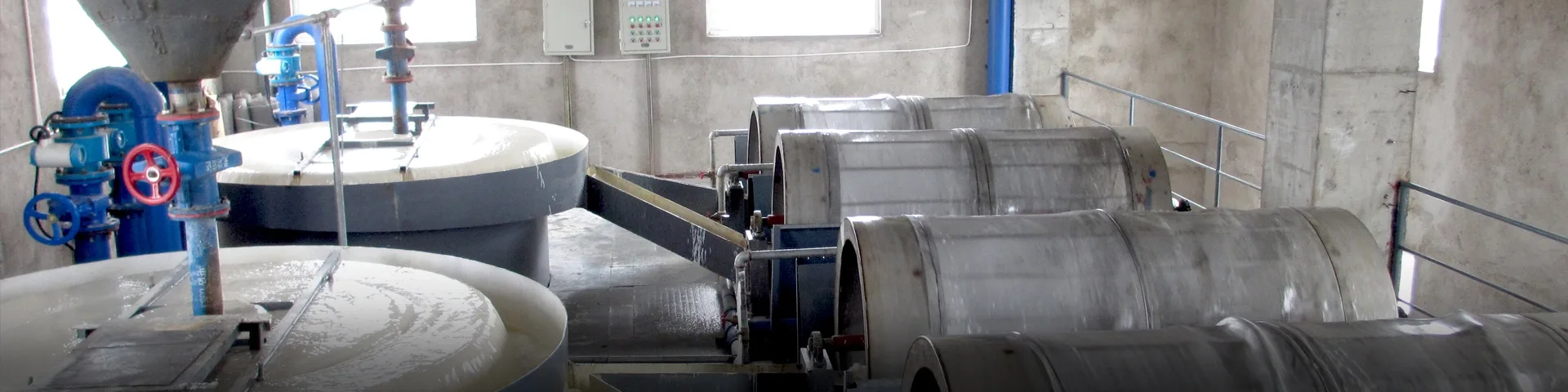
Drum magnetic separators are one of the most common types of dry magnetic separators. They consist of a rotating drum with permanent magnets. As the drum rotates, magnetic particles are attracted to the drum surface and carried over until they are discharged away from the non-magnetic particles. These separators are effective for coarse particles and are widely used in mineral processing. For detailed specifications, refer to the Magnetic Drum Separator product page.
Roller magnetic separators utilize high-intensity magnetic rollers to generate high magnetic forces. These separators are suitable for fine particles and materials with low magnetic susceptibility. They are often employed in the purification of non-metallic minerals such as quartz, feldspar, and silica sands.
High gradient magnetic separators (HGMS) are designed to process fine, weakly magnetic particles. They create a high-intensity magnetic field within a matrix of ferromagnetic wires, capturing particles that would not be separated by other means. HGMS technology is critical in the purification of kaolin, rare earth minerals, and in removing iron contaminants from industrial minerals.
Dry magnetic separators are employed across multiple industries due to their ability to efficiently separate magnetic materials without water. This section explores the diverse applications and the impact of dry magnetic separation technology.
In the mining industry, dry magnetic separators are essential for the beneficiation of iron ores and the removal of tramp iron from materials like coal. They enhance the quality of the ore by removing impurities, thus increasing the value of the final product. The use of Dry Magnetic Separator models has led to significant improvements in ore processing efficiency.
In ceramics and glass manufacturing, the purity of raw materials is paramount. Dry magnetic separators help in removing iron contaminants from raw materials like feldspar and silica sand. By enhancing material purity, they contribute to the quality and transparency of glass products.
Dry magnetic separation is also valuable in recycling operations for separating ferrous metals from non-metallic materials. This application is crucial in reducing waste and promoting sustainable practices by recovering valuable metals from industrial waste streams.
Understanding the advantages and limitations of dry magnetic separators helps in optimizing their use and improving process efficiency.
One of the primary advantages of dry magnetic separators is the elimination of water in the separation process. This feature reduces environmental impact and lowers operational costs associated with water treatment and disposal. Additionally, they offer high processing capacity and can handle a wide range of particle sizes and compositions.
Despite their benefits, dry magnetic separators have limitations. They may be less effective for very fine particles or materials with extremely low magnetic susceptibility. In such cases, wet magnetic separation or other beneficiation methods might be more suitable. Moreover, the efficiency of separation can be affected by factors like particle size distribution and feed rate.
Empirical studies demonstrate the effectiveness of dry magnetic separators in various applications. For instance, a study on the beneficiation of a low-grade iron ore using a dry magnetic separator showed an increase in iron content from 45% to 60%, significantly improving the ore's market value. Another case involved the purification of silica sand, where iron contaminants were reduced to less than 0.01%, meeting the stringent requirements for glass manufacturing.
The implementation of dry magnetic separation in an industrial setting requires careful consideration of equipment selection and process parameters. Companies like ours offer customized solutions to meet specific needs. For more information on our products, visit our Products page.
Research continues to advance the field of dry magnetic separation. Innovations focus on enhancing the separation efficiency for finer particles and materials with weak magnetic properties. Developments in magnetic materials, such as rare-earth magnets, have led to stronger magnetic fields and more compact separator designs.
Integration with other separation technologies, such as flotation and gravity separation, is becoming more common. Combining methods can yield higher purity levels and better recovery rates. Our company provides comprehensive solutions that integrate various technologies for optimal results. Explore our Solutions page for more details.
Dry magnetic separators are vital tools in the efficient processing of minerals and recycling of materials. By leveraging magnetic properties, they offer a cost-effective and environmentally friendly means of separation. Ongoing research and technological advancements promise to expand their capabilities and applications. For industries seeking to improve material purity and process efficiency, investing in advanced Dry Magnetic Separator technology is a strategic decision.
For additional product information or inquiries, please visit our Contact Us page or explore our latest updates on the News section.