The success of sand washing plants hinges on several factors, from equipment selection to the intricacies of flow design. Each aspect plays a crucial role in ensuring that the plant functions efficiently and meets the desired output standards. Understanding these components helps plant operators and owners optimize their processes and achieve their goals.
The best configuration for a sand washing plant involves choosing appropriate equipment, designing efficient flow systems, and maintaining regular monitoring and adjustments. With the right strategies and tools, a sand washing plant can produce high quality sand consistently and economically.
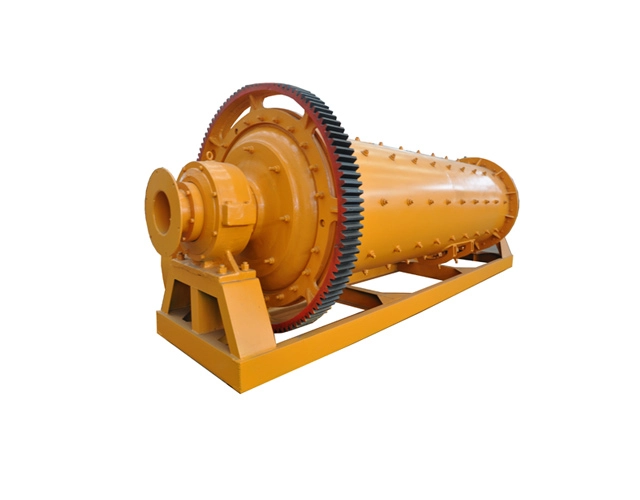
Choosing the right equipment is pivotal to the configuration of a sand washing plant. Different types of equipment cater to various needs and scales of operation. For instance, a small-scale plant might only require basic sand washers and dewatering screens, whereas a larger operation would benefit from more advanced machinery like hydrocyclones and attrition scrubbers.
Sand Washers: These are fundamental for removing impurities and fine particulates from the sand. Examples include wheel sand washers and spiral sand washers.
Hydrocyclones: Used for finer particle separation and to improve the quality of the final product by reducing clay content.
Attrition Scrubbers: Essential for scrubbing and removing impurities, particularly in sand that has high clay content.
Dewatering Screens: Used to reduce the moisture content of the sand post-washing to acceptable levels for drying and storage.
Thickeners: Help in recycling water within the plant, reducing fresh water usage and ensuring sustainable operation.
The design of the flow system within a sand washing plant determines the efficiency and quality of sand production. A well-designed flow system ensures minimal recirculation of fine particles, optimal water usage, and efficient classification of sand.
Initial Screening: Involves the removal of oversized material and debris, ensuring only the sand and fine particles enter the washing cycle.
Washing Cycle: This should be a multistage process involving preliminary washing, followed by fine particle separation using hydrocyclones.
Attrition Scrubbing: For sand with significant impurities, this process helps in breaking down clay aggregates and ensures thorough cleaning.
Dewatering: The final stage involves reducing the moisture content through dewatering screens and thickeners, making the sand ready for further use or sale.
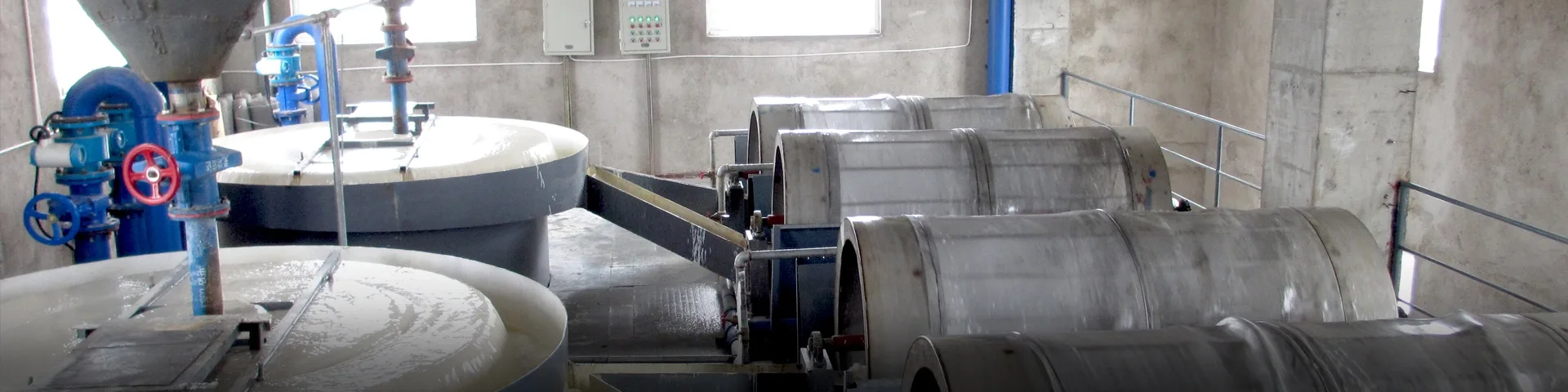
Water is a critical component in a sand washing plant. Efficient water management ensures that operations are sustainable and costs are kept in check. Recycling water within the plant not only conserves this valuable resource but also reduces the load on wastewater treatment facilities.
Thickeners and Clarifiers: These are used to separate solid particles from water, making it possible to recycle water back into the system.
Silt and Sludge Management: Proper handling of silt and sludge is crucial. Settling ponds or mechanical solutions like filter presses can be implemented depending on the plant size and requirements.
Monitoring Water Quality: Regular checks on the quality of recycled water to ensure it meets the standards required for effective washing.
Regular maintenance and monitoring are essential for the optimal functioning of a sand washing plant. Adhering to maintenance schedules reduces downtime and ensures all equipment runs at peak efficiency.
Routine Checks: Regular inspection of machinery for wear and tear. Parts such as screen meshes, pumps, and conveyor belts should be checked frequently.
Lubrication: Ensuring all moving parts are properly lubricated reduces friction and wear.
Monitoring Output Quality: Continuously monitoring the quality of the sand output to ensure it meets desired specifications.
Adjustments: Making necessary adjustments based on the monitoring results to optimize the process, such as tweaking the flow rates or changing screen sizes.
Incorporating automation and modern technology can significantly enhance the efficiency of a sand washing plant. Automation reduces the chance of human error and ensures consistent operation around the clock.
Automated Control Systems: These systems can manage various aspects of the plant, from flow rates to equipment operation, with minimal human intervention.
Advanced Sensors: Installing sensors that provide real-time data on parameters like moisture content, particle size, and equipment performance.
Data Analytics: Using data analytics to predict maintenance needs and optimize operations based on historical data and trends.
In essence, configuring a sand washing plant effectively requires a holistic approach that combines the right equipment, efficient flow design, strict water management, and consistent maintenance and monitoring. Leveraging modern technology and automation can further enhance the plant's performance, ensuring high-quality sand production and sustainable operation.