The capacity of a sand washing plant is a critical factor in determining its efficiency and operational value. With industries such as construction, glass manufacturing, electronics, and ceramics relying heavily on high-quality sand, understanding the dynamics of sand washing plant capacities is essential for optimal production. Sinonine, a global leader in quartz sand purification and EPC services, offers valuable insights into this field. Their expertise in providing turnkey solutions and advanced equipment manufacturing ensures that the complexities surrounding sand washing plant capacities are efficiently addressed. For a deeper understanding of Sinonine's capabilities, explore their sand washing plant solutions.
This paper delves into the factors influencing the capacity of sand washing plants, the technological advancements driving efficiency, and industry best practices. It also highlights how Sinonine has established itself as a trusted partner in the global quartz and silica sand industry, with a proven track record in delivering high-purity sand through cutting-edge processes.
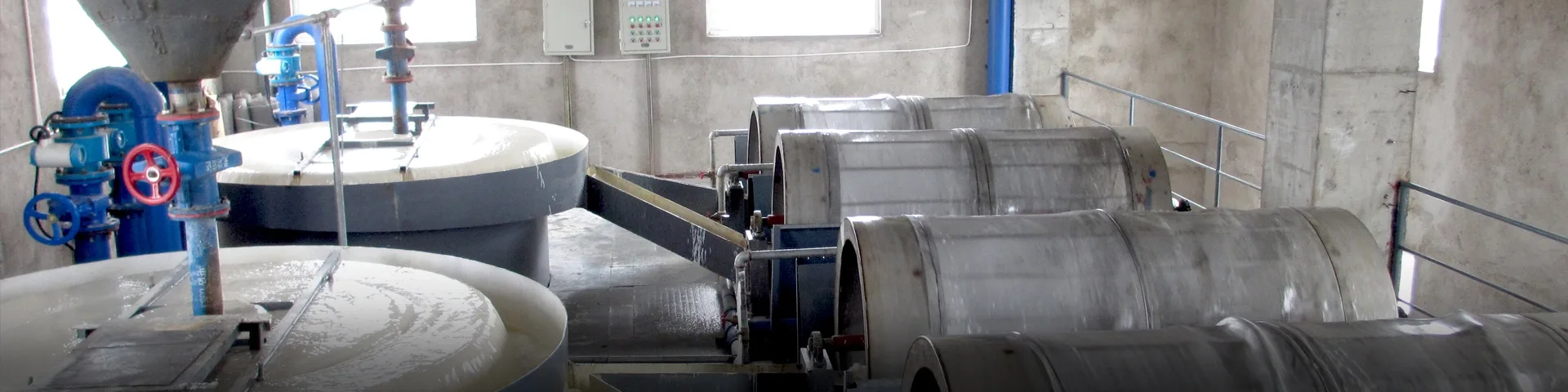
Sand washing plant capacity refers to the volume of sand that a plant can process within a specific time frame, typically measured in tons per hour (tph). It is a critical performance metric influenced by multiple variables such as feed material quality, equipment design, operational parameters, and water management systems.
Several factors contribute to the capacity of a sand washing plant:
Feed Material Characteristics: The type, size, and composition of raw materials significantly impact the plant's processing ability. High clay content or impurities may reduce capacity.
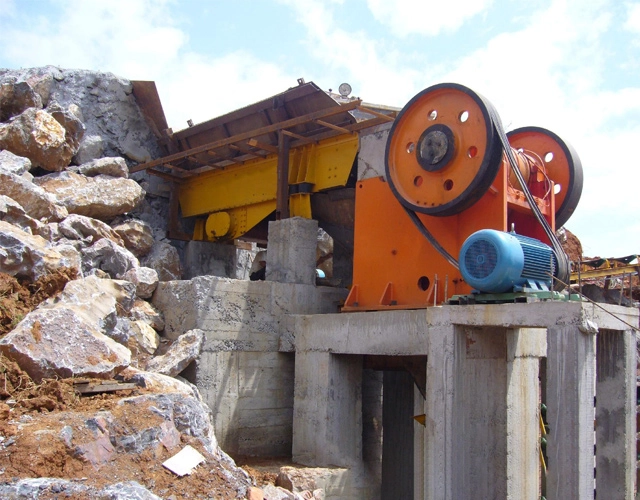
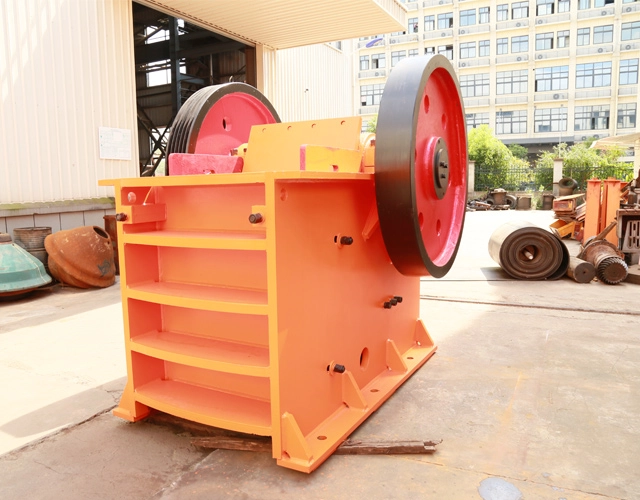
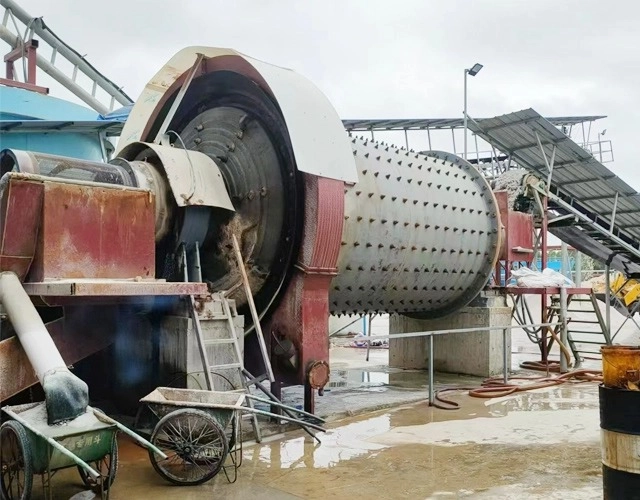
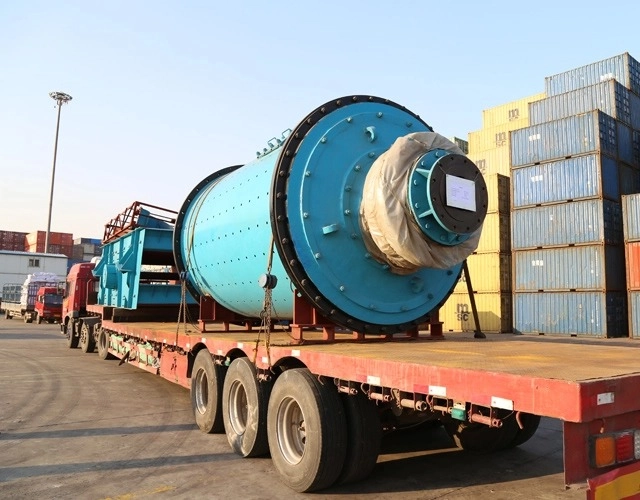
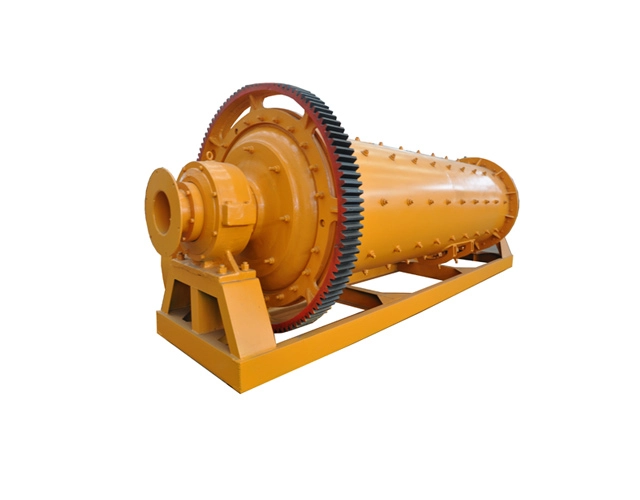
Equipment Design: Advanced machinery with optimized designs ensures higher throughput. Sinonine's equipment, known for its innovative features and independent intellectual property rights, exemplifies this.
Water Usage: Efficient water management systems enable better washing processes, ensuring that the plant operates at peak capacity.
Operational Parameters: Factors such as feed rate, screen sizes, and machine settings influence overall performance.
Sinonine stands out by offering tailored solutions that optimize sand washing plant capacities. Their technical team, with years of experience in quartz and silica sand processing, ensures that each plant is designed to meet specific production goals. By integrating scientific research with practical know-how, Sinonine delivers solutions that are both efficient and cost-effective. Learn more about their advanced designs on their official page.
The advent of technology has revolutionized sand washing plants, enabling higher capacities and improved product quality. Modern plants incorporate automated systems, enhanced screening technologies, and environmentally friendly designs to meet industry demands.
Automation plays a pivotal role in enhancing the efficiency of sand washing plants. Features such as real-time monitoring, predictive maintenance, and automated controls ensure consistent performance while reducing downtime.
Screening is a crucial step in sand processing. Advanced screens with improved durability and precision allow for better separation of fine particles from coarse materials, thus boosting plant capacity.
Modern sand washing plants prioritize sustainability by incorporating water recycling systems and energy-efficient designs. Sinonine's commitment to environmentally responsible practices aligns with global trends in sustainable production.
To maximize the capacity of a sand washing plant, operators must adhere to industry best practices:
Regular Maintenance: Scheduled maintenance ensures that machinery operates at optimal levels.
Quality Feed Material: Using high-quality raw materials minimizes processing challenges.
Customized Solutions: Tailored equipment configurations enhance productivity.
Employee Training: Skilled personnel are essential for efficient operations.
The capacity of a sand washing plant is influenced by numerous factors, from feed material characteristics to technological advancements. By leveraging cutting-edge designs and adhering to best practices, industry leaders like Sinonine ensure maximum efficiency and productivity. As a pioneer in quartz and silica sand processing, Sinonine continues to set benchmarks in the field with its innovative approaches and comprehensive EPC services.
For those seeking to enhance their understanding or operational efficiency in sand processing, exploring Sinonine's EPC solutions is highly recommended.