Imagine a bustling construction site or a pristine beach restoration project. Both scenarios require a significant amount of clean, usable sand. This is where sand washing plants enter the picture. These plants are vital not only for the construction industry but also for environmental management and restoration projects around the globe. They ensure that the sand used is free from impurities, making it fit for various applications.
A sand washing plant is a system designed to clean, filter, and process sand while removing impurities, resulting in high quality, usable sand for construction, landscaping, and various industrial applications.
Sand washing plants operate through a combination of several processes that collectively ensure clean and usable sand. Here's a detailed overview:
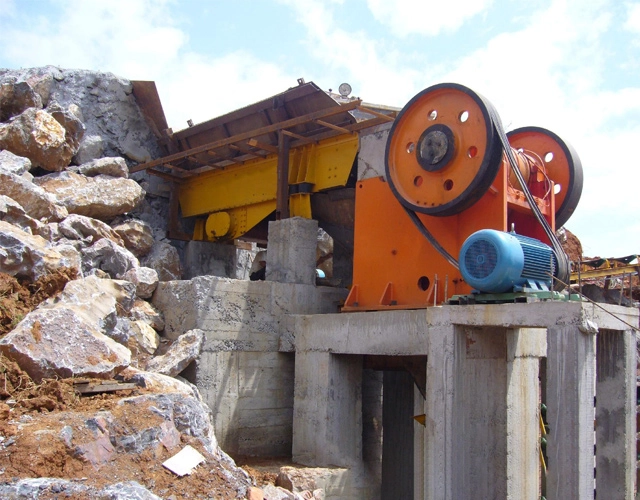
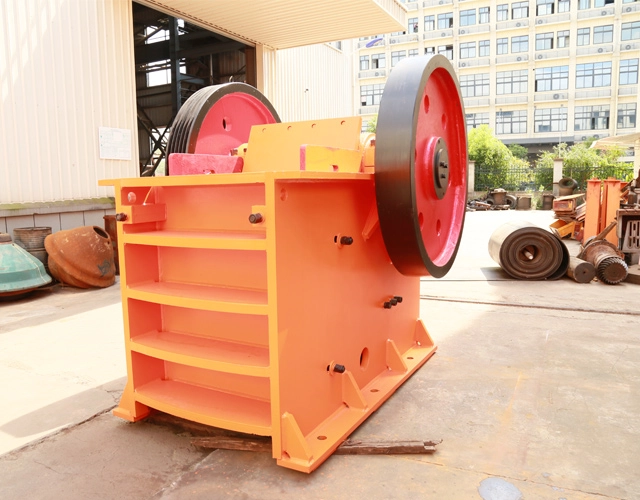
The process begins with the feeding of raw sand into a vibrating feeder or conveyor belt that transports the material into the plant. The first stage typically involves screening the sand to separate fine particles from larger debris. Strainers or screens of varying sizes ensure that oversized materials are sieved out.
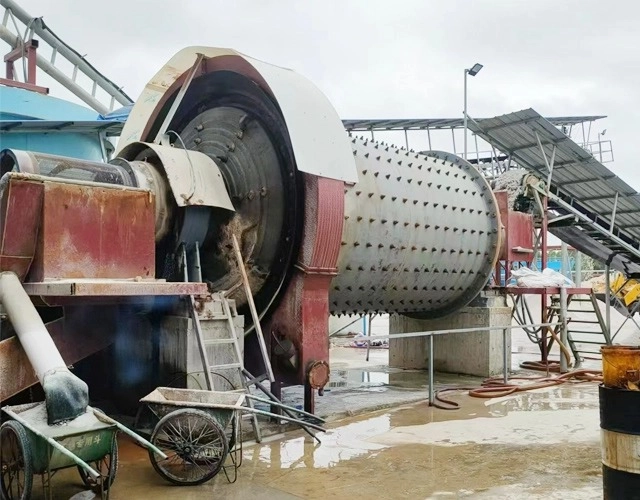
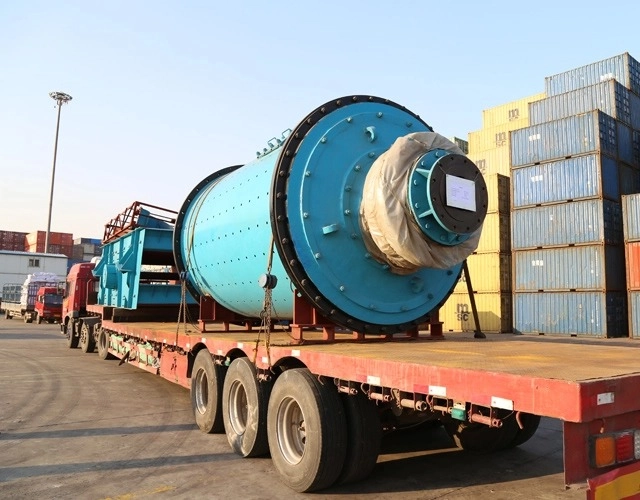
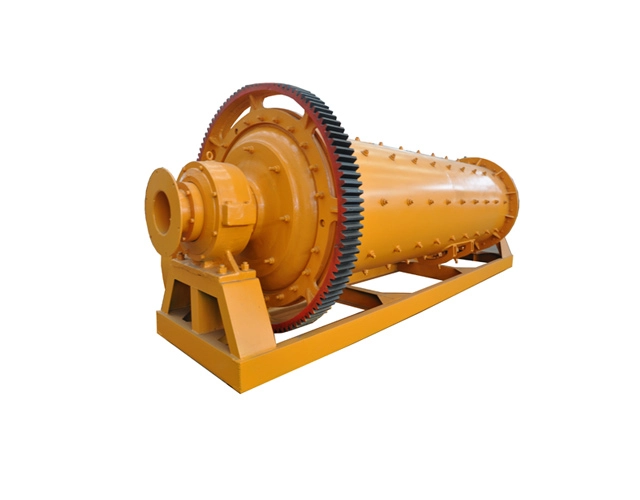
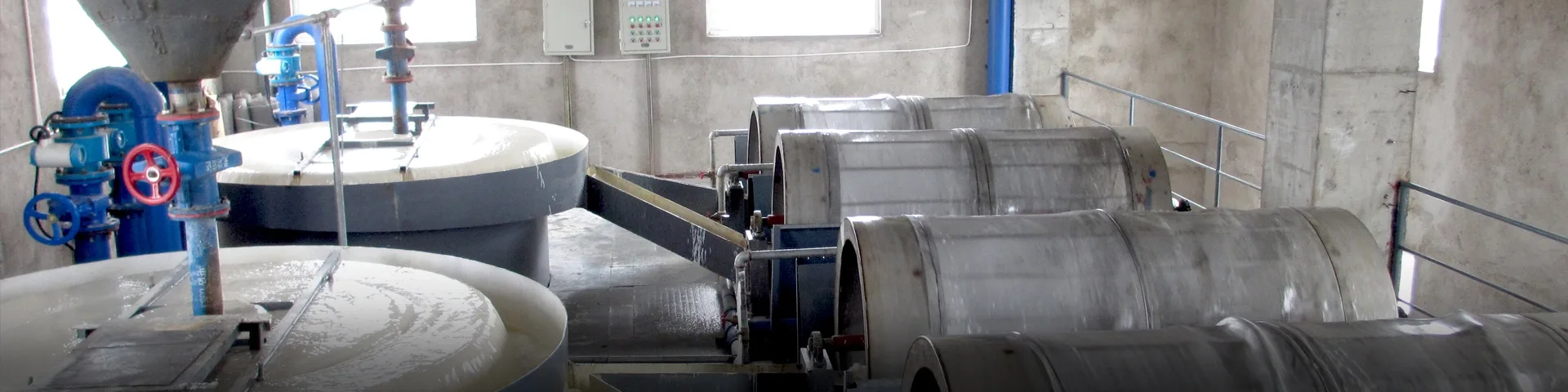
Once the initial screening is done, the sand moves to the washing phase. Here, water is used to rinse off dirt, clay, and other impurities. High pressure water jets and rotating barrels agitate the sand, scrubbing away unwanted materials. During this stage, the sand is classified, which means separating it based on grain size. Hydrocyclones or classifiers are employed to achieve this.
After washing, the next step involves removing excess water from the sand. Dewatering screens and hydrocyclones remove the water content, leaving behind damp sand. This step is crucial because excessively wet sand is challenging to handle and transport.
In some cases, further drying processes may be applied to ensure the sand is completely dry before storage. Once dry, the clean sand is stored in silos or stockpiles, ready for dispatch. The storage facilities are designed to protect the sand from contamination until it is ready for use.
Modern sand washing plants are designed with environmental regulations in mind. Recycling systems are often integrated to reuse water, minimizing waste. Additionally, the plants are engineered to reduce noise and dust emissions, ensuring they operate sustainably and with minimal impact on surrounding areas.
The primary purpose of a sand washing plant is to ensure the quality of the sand. Purified sand is crucial in construction for making concrete, mortar, and as a base material. High-quality sand improves the durability and strength of construction materials.
In environmental restoration or beach replenishment projects, sand washing plants help clean contaminated sand, making it safe for wildlife and human use. By removing pollutants, these plants contribute to environmental sustainability.
Using clean sand reduces wear and tear on machinery and tools, resulting in lower maintenance costs. It also means less rejection of material, enhancing the overall efficiency of construction and industrial operations.
Sand washing plants play an indispensable role in ensuring the availability of clean, high-quality sand for various applications. From construction to environmental management, these plants help maintain standards and contribute to sustainable practices. By understanding their working mechanism and importance, stakeholders can better appreciate the value these systems bring to different industries.