The advent of dry magnetic separators has revolutionized the mineral processing industry. By enabling the separation of magnetic minerals from non-magnetic ones without the need for water, these separators offer a cost-effective and environmentally friendly solution. This article delves into the principles, advancements, and applications of dry magnetic separators, providing a comprehensive understanding for industry professionals and researchers alike.
Dry magnetic separation relies on the magnetic properties of minerals. When a magnetic field is applied, magnetic minerals are attracted to the field source, allowing for their separation from non-magnetic materials. The effectiveness of this process is governed by factors such as the strength of the magnetic field, particle size, and magnetic susceptibility of the minerals.
The separation efficiency is directly influenced by the magnetic field strength and gradient. High-intensity fields are necessary to capture weakly magnetic minerals. Recent advancements have led to the development of high gradient magnetic separators, which generate strong magnetic forces even in small separation spaces, enhancing the recovery rates of fine magnetic particles.
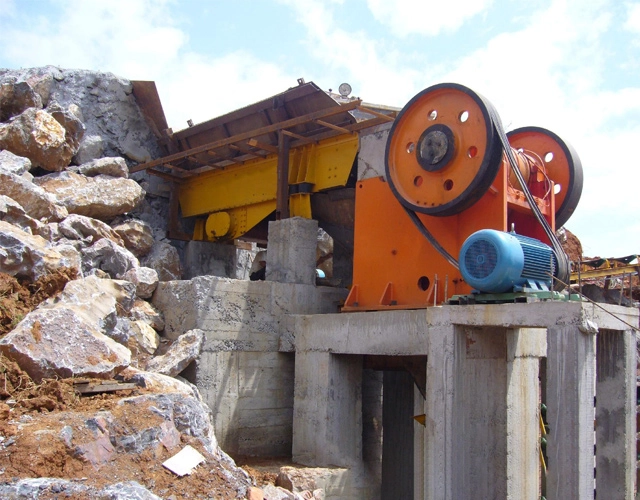
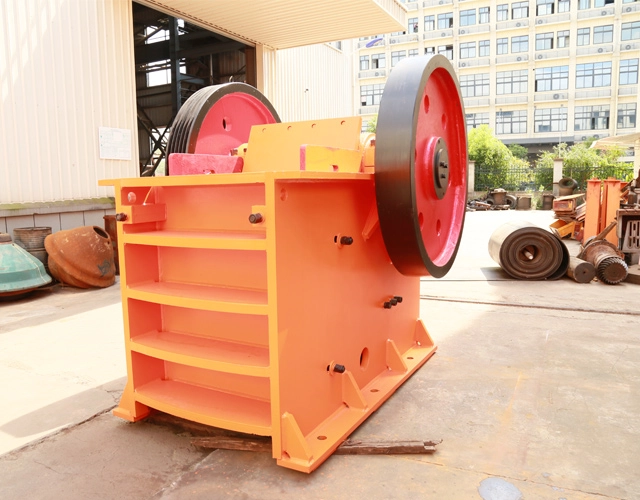
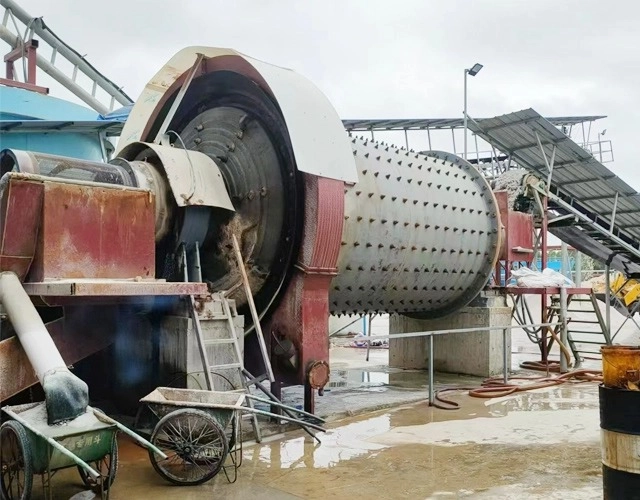
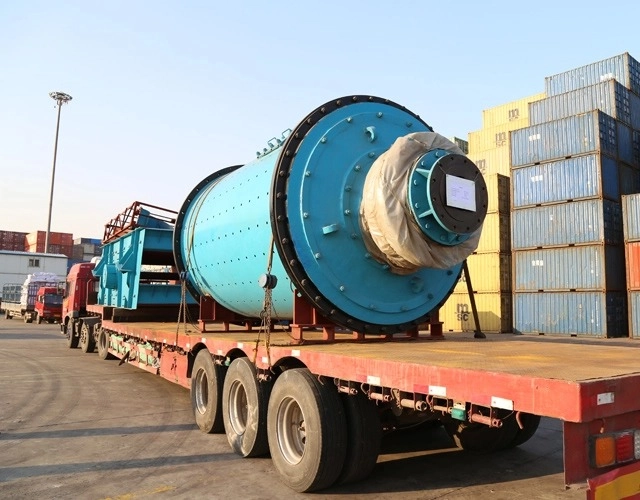
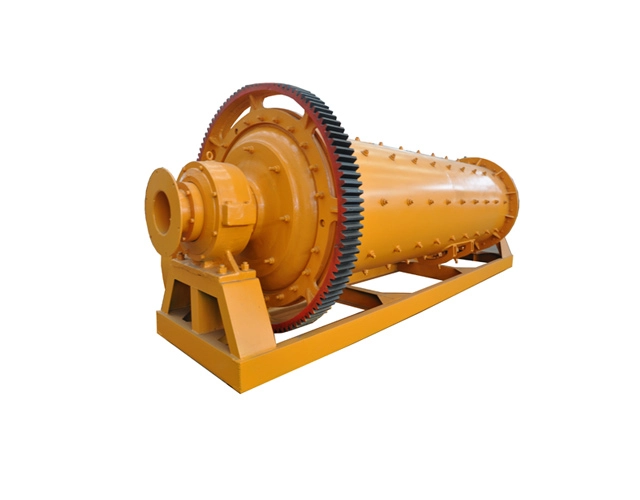
Particle size plays a crucial role in dry magnetic separation. Finer particles may not respond effectively to magnetic fields due to their low mass, while excessively large particles might not be efficiently separated. Optimizing particle size through crushing and grinding processes is essential. Equipment like jaw crushers and ball mills are commonly used to achieve the desired granularity.
Technological advancements have significantly improved the performance of dry magnetic separators. Innovations include the development of multi-stage separators, incorporation of rare-earth magnets, and automation systems for process optimization.
Multi-stage separators enhance the purity of separated minerals by subjecting materials to successive magnetic fields of varying intensities. This approach reduces the contamination of magnetic concentrates and improves overall yield. Companies specializing in mineral processing offer customized solutions, integrating dry magnetic separators into existing processing lines.
The use of rare-earth magnets has revolutionized dry magnetic separation. These magnets produce stronger magnetic fields than traditional ferrite magnets, enabling the separation of minerals with lower magnetic susceptibilities. The incorporation of rare-earth magnets in equipment design has expanded the range of minerals that can be effectively processed.
Automation has become integral in modern mineral processing. Advanced control systems monitor variables such as feed rate, particle size distribution, and magnetic field intensity in real-time. Automation not only improves efficiency but also ensures consistent product quality. Integration with other equipment like grinding mills and classifying equipment optimizes the entire processing workflow.
Dry magnetic separators are employed across various industries, including mining, recycling, and ceramics. Their ability to efficiently separate magnetic materials makes them indispensable in processes where water usage is undesirable or impractical.
In mining, dry magnetic separators are vital for the beneficiation of iron ores and other ferrous minerals. They enhance the concentration of ores, making subsequent processing stages more efficient. For instance, in the processing of silica sand, removing iron contaminants is crucial. Utilizing dry magnetic separators improves the purity of the sand, which is essential for applications in glass manufacturing and foundry industries.
The recycling industry leverages dry magnetic separation to recover valuable metals from waste streams. Separators extract ferrous metals from mixed waste, enhancing recycling efficiency and reducing landfill burdens. This process is fundamental in electronic waste recycling, where the recovery of metals is both economically and environmentally beneficial.
In ceramics and glass production, the removal of iron contaminants is critical to prevent discoloration and defects in final products. Dry magnetic separators are used to purify raw materials like quartz and feldspar. Companies offering glass sand washing plants integrate magnetic separation to ensure the high purity of silica sand.
Real-world implementations of dry magnetic separators illustrate their effectiveness and versatility. Several case studies highlight the improvements in efficiency and product quality achieved through their adoption.
A silica sand processing plant in Malaysia incorporated dry magnetic separation to remove iron impurities. By installing high-intensity dry magnetic separators, the plant achieved a significant reduction in iron content, enhancing the quality of the sand for high-grade glass production. The integration with other processing equipment like attrition scrubbers further improved the sand's purity.
An Australian mining company implemented dry magnetic separators in their iron ore processing line. The separators effectively concentrated the magnetic iron content, allowing for more efficient downstream processing. This not only increased the output but also reduced water usage and tailings generation.
Dry magnetic separators offer significant environmental and economic advantages. By eliminating the need for water, they reduce consumption and contamination risks. Economically, they lower operational costs associated with water treatment and disposal.
In regions where water is scarce, dry processing methods are essential. Dry magnetic separators allow industries to continue operations without relying on water-intensive processes. This is particularly important in arid mining regions, where water conservation is a priority.
By reducing the need for wet tailings disposal, dry magnetic separation minimizes the environmental footprint of mining operations. It mitigates risks associated with tailings dam failures and contamination of waterways. Companies adopting dry processing methods align with sustainable practices and regulatory requirements.
Despite the benefits, dry magnetic separators present challenges that must be addressed. These include handling of dust, separation efficiency for fine particles, and the initial investment costs.
Dry processes generate dust, which can pose health hazards and equipment wear issues. Implementing dust suppression systems and regular maintenance is essential. Enclosed processing systems and dust collection units are often employed to mitigate these concerns.
Fine particles are challenging to separate due to their low mass and potential agglomeration. Advances in separator design, such as increased magnetic field gradients and specialized feed systems, have improved the capture of fine magnetic particles. Ongoing research aims to enhance these capabilities further.
The future of dry magnetic separation appears promising, with research focusing on improving efficiency, reducing costs, and expanding applications. Emerging technologies and materials are set to push the boundaries of what can be achieved.
Advancements in nanotechnology may lead to the development of new magnetic materials with enhanced properties. Such materials could generate stronger magnetic fields, allowing for the separation of even less magnetic minerals. This would expand the applicability of dry magnetic separation in processing complex ores.
Combining dry magnetic separation with other technologies like electrostatic separation can enhance overall efficiency. Such integrated systems could provide comprehensive solutions for processing a wider range of materials, optimizing recovery rates, and improving product purity.
Dry magnetic separators have become an indispensable tool in the mineral processing industry. Their ability to efficiently separate magnetic minerals without water offers both economic and environmental benefits. As technology advances, their applications are set to expand further, making them a cornerstone of sustainable mineral processing. For professionals seeking to enhance their operations, investing in dry magnetic separators represents a strategic move towards efficiency and sustainability.