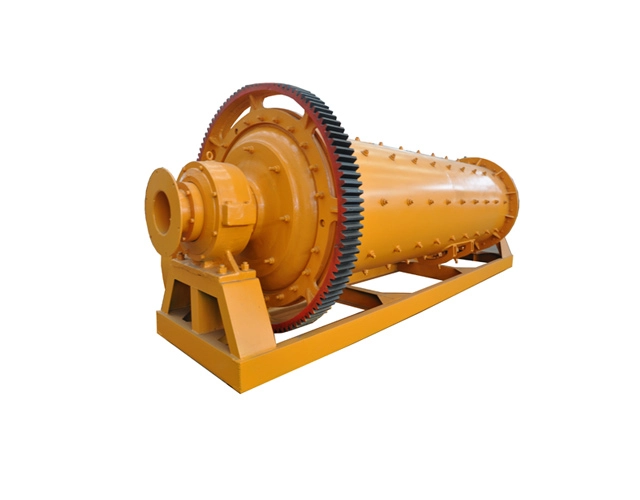
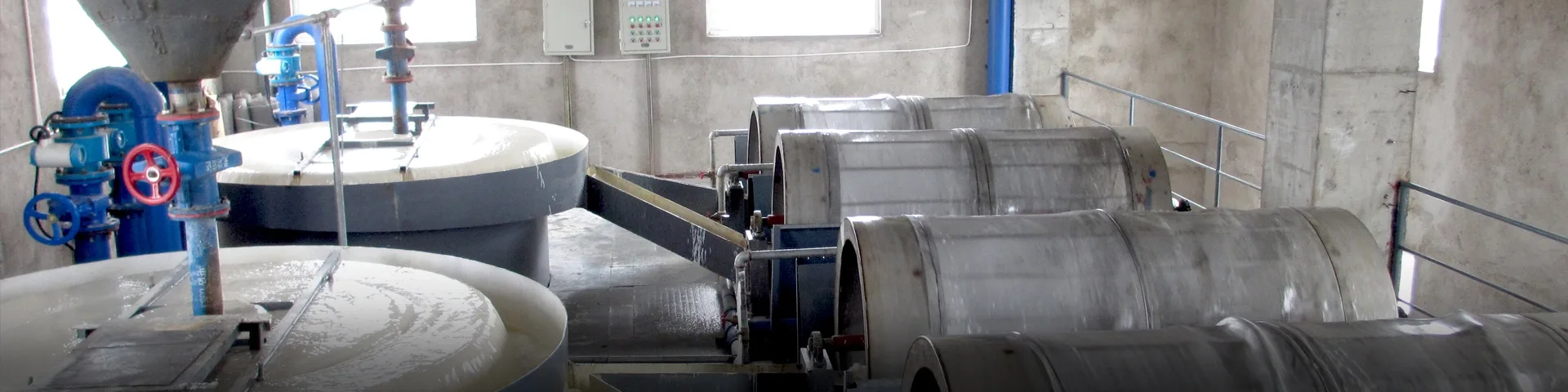
The advent of the Dry Magnetic Separator has revolutionized the field of mineral processing. As industries increasingly demand efficient and environmentally friendly methods of material separation, understanding the principles and applications of dry magnetic separation becomes imperative. This article delves into the fundamental concepts, technological advancements, and practical applications of dry magnetic separators in various industries.
Dry magnetic separation is a process through which magnetically susceptible material is extracted from a mixture using a magnetic force without the use of water. The technology relies on the difference in magnetic properties between the ore minerals and is effective in separating ferromagnetic materials from non-magnetic materials. The separation process is achieved by passing the material through magnetic fields of varying intensity, which attract or repel different particles based on their magnetic susceptibility.
The key to effective dry magnetic separation lies in the uniformity of the magnetic field and the control of magnetic forces acting on the particles. Factors such as particle size, magnetic intensity, and the design of the separator significantly affect the efficiency of the separation process. Advanced models of dry magnetic separators are equipped with adjustable magnetic field strengths to cater to different material characteristics.
Magnetic susceptibility is a measure of how much a material will become magnetized in an applied magnetic field. In dry magnetic separation, materials with higher magnetic susceptibility are attracted to the source of the magnetic field. Particle size also plays a critical role, as finer particles respond differently to magnetic forces compared to coarser particles. Optimizing the particle size distribution can enhance separation efficiency.
A typical dry magnetic separator consists of several critical components designed to generate and manipulate magnetic fields for the separation process. Understanding these components is essential for the effective operation and optimization of the separator.
The magnetic drum is the core part of the separator, containing permanent magnets or electromagnets that generate the magnetic field. The drum rotates, allowing non-magnetic materials to fall off while magnetic particles adhere to the drum's surface until they exit the magnetic field's influence. The design and arrangement of magnets within the drum are crucial for achieving the desired magnetic field strength and gradient.
The feed hopper introduces the material into the separator, often utilizing a vibratory feeder to ensure even distribution. Conveyors transport the material through the magnetic field, and their speed can be adjusted to optimize separation efficiency. Consistent feed rates and material flow are vital to maintain the performance of the dry magnetic separator.
Separated materials are collected using discharge systems that often include chutes or collection bins. The design of these systems ensures that magnetic and non-magnetic fractions are efficiently segregated after separation. Proper alignment and maintenance of discharge components prevent cross-contamination and material loss.
Dry magnetic separators find extensive applications across various industries due to their effectiveness in separating magnetic materials from non-magnetic ones without the need for water. This section explores the key industries where dry magnetic separation is integral to processing operations.
In the mining industry, Dry Magnetic Separators are used to separate valuable ore from the gangue. For example, in the beneficiation of iron ore, dry magnetic separators are employed to remove tramp iron and recover magnetite from waste streams. This process enhances the grade of the ore and reduces impurities, which is critical for downstream processing.
The recycling sector utilizes dry magnetic separation to recover ferrous materials from mixed waste streams. By extracting magnetic metals, recyclers can reduce waste, recover valuable materials, and protect equipment from damage caused by metallic contaminants. This process is essential in the recycling of electronic waste, automobiles, and industrial scrap.
In the production of ceramics and glass, the removal of iron contaminants is crucial to prevent discoloration and defects in the final products. Dry magnetic separators are employed to purify raw materials such as silica sand, ensuring the high quality required for specialty glass and ceramic products.
Understanding the benefits and constraints of dry magnetic separators is essential for their effective application. While they offer significant advantages, certain limitations must be considered during selection and operation.
One of the primary advantages of dry magnetic separation is the elimination of water usage, making it environmentally friendly and suitable for arid regions where water is scarce. Additionally, it reduces the need for drying the material post-separation, saving energy and operational costs. Dry magnetic separators are also relatively low maintenance, with fewer moving parts and no requirement for slurry handling systems.
However, dry magnetic separation may not be as effective for very fine particles due to challenges in generating sufficient magnetic force at micro scales. There is also the issue of dust generation, which necessitates proper dust control measures to protect worker health and prevent equipment wear. Moreover, the initial investment for high-intensity dry magnetic separators can be substantial.
To illustrate the practical applications and benefits of dry magnetic separators, we examine several case studies from different industries.
An Australian mining company implemented dry magnetic separation to process low-grade iron ores. By installing advanced Dry Magnetic Separators, they increased the iron content from 45% to over 60%, enhancing the ore's market value and reducing waste. The dry process also conserved water resources and reduced tailings disposal volumes.
In Europe, a recycling facility utilized dry magnetic separation to recover ferrous metals from shredded electronic waste. The process efficiently separated iron and steel components, which were then recycled into new steel products. This method improved the recovery rate and reduced the environmental impact of e-waste.
Technological advancements continue to enhance the performance and applicability of dry magnetic separators. Innovations focus on improving magnetic field strength, energy efficiency, and the separation of finer particles.
New developments in high-intensity magnetic separators have increased the range of materials that can be effectively processed. By utilizing rare-earth magnets, these separators generate stronger magnetic fields, enabling the separation of weakly magnetic particles and enhancing purity levels.
Integration of automated control systems and sensors allows for real-time monitoring and adjustment of the separation process. This automation enhances efficiency, reduces human error, and allows for consistent product quality. Predictive maintenance features also extend equipment life and reduce downtime.
The Dry Magnetic Separator plays a pivotal role in modern mineral processing and recycling industries. Its ability to separate magnetic materials without water makes it a sustainable and cost-effective solution. Understanding the principles, components, applications, and advancements in dry magnetic separation is essential for engineers and industry professionals aiming to optimize material processing and resource recovery. As technology progresses, dry magnetic separators will continue to evolve, offering enhanced performance and opening new possibilities in various industrial applications.