Silica sand, also known as quartz sand, is a critical raw material in various industries such as glass manufacturing, ceramics, electronics, construction, and even aerospace. Its high purity and unique properties make it indispensable for applications requiring precision and durability. However, the process of transforming raw silica into a refined, usable product involves multiple complex steps. This article explores the intricacies of silica sand processing, analyzing the methods, equipment, and technology that ensure its quality and efficiency.
Sinonine, a leading mining equipment manufacturer and project turnkey service provider, has been instrumental in advancing the field of silica sand processing. Their expertise in offering EPC services for silica sand production lines ensures seamless execution from design to installation. To understand how silica sand is processed and how companies like Sinonine contribute to its refinement, we will delve into key aspects of this industry.
For more information on Sinonine's EPC services, you can visit their detailed resources on silica sand production lines, or explore their specialized solutions for sand washing plants.
Silica sand consists predominantly of silicon dioxide (SiO2), typically found in the form of quartz. Its high melting point and resistance to weathering make it an essential material in manufacturing and construction. Additionally, its uniform particle size and low impurity content determine its suitability for high-tech applications like electronics and aerospace.
Glass Manufacturing: Silica sand forms the base material for producing high-quality glass used in architecture, automobiles, and optics.
Ceramics: Its thermal stability makes it ideal for producing ceramic tiles, tableware, and sanitary ware.
Construction: Used as a filler in concrete and as a component in mortar for structural stability.
Electronics: High-purity quartz is essential for semiconductors and photovoltaic cells.
Aerospace: Ultra-high-purity quartz is utilized in advanced materials required for aircraft and spacecraft.
Silica sand is extracted from open-pit or dredging mines. The quality of the raw material is determined by its purity and particle size distribution. Advanced mining techniques ensure minimal environmental impact and efficient extraction processes.
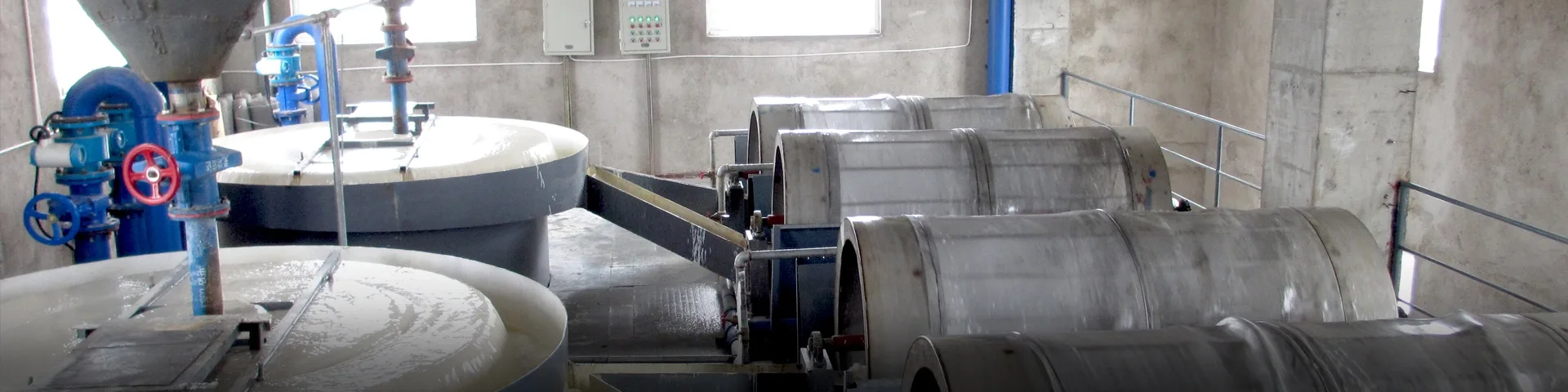
After extraction, the raw silica undergoes washing to remove impurities like clay, silt, and organic matter. Sinonine specializes in sand washing plant solutions, which use state-of-the-art equipment to achieve optimal cleanliness while conserving water resources. Washing also enhances the sand's physical properties, making it suitable for industrial applications.
Visit Sinonine's comprehensive guide on sand washing plants to learn more about their innovative solutions.
The washed silica is then classified based on particle size using vibrating screens or classifiers. Precise classification ensures that the end product meets industry-specific requirements, whether for fine glass or coarse construction sand.
To achieve higher purity levels, magnetic separation removes iron contaminants from the sand. Advanced magnetic separators ensure that even trace amounts of iron are eliminated, making the silica suitable for high-purity applications such as electronics manufacturing.
For ultra-high-purity quartz (Ultra HPQ), acid leaching is employed to dissolve impurities like feldspar and mica. This chemical treatment is particularly critical for applications demanding extreme purity levels, such as semiconductors and solar panels.
Finally, the processed silica is dried using industrial dryers to reduce moisture content before packaging. The packaging process ensures that the product remains uncontaminated during storage and transportation.
Technological advancements have revolutionized the silica sand industry. Companies like Sinonine leverage cutting-edge equipment such as rotary kilns, flotation machines, and high-frequency screens to enhance productivity and maintain environmental sustainability.
For a deeper dive into these technological innovations, explore Sinonine's specialized offerings at silica sand processing plants.
Silica sand processing is a sophisticated endeavor requiring a blend of advanced technology, scientific expertise, and practical experience. From mining to purification, each step plays a crucial role in delivering high-quality silica that meets diverse industrial needs. Companies like Sinonine have set benchmarks in this field by providing comprehensive EPC services tailored to client requirements.
Whether you're interested in setting up a silica sand production line or optimizing an existing one, Sinonine's innovative solutions ensure efficiency and reliability at every stage. To explore their complete range of services, visit their detailed guides on silica sand production lines, or learn more about their advanced sand washing technologies.