In the world of glass manufacturing, the quality of raw materials directly influences the final product's performance. Among the essential raw materials, silica sand stands out as a key component in the production of high-quality glass. Silica sand, with its unique properties, plays a significant role in the glassmaking process, and its purity is crucial for achieving superior glass products. Nanjing Sinonine Heavy Industry Science and Technology Co., Ltd. offers a highly efficient Silica Sand Production Line that ensures the delivery of high-purity silica sand for the glass industry, helping manufacturers meet their demanding quality standards.
The importance of silica sand in glass production cannot be overstated. It forms the primary base for various glass products, from simple containers to high-tech applications such as optical glass and glass fibers. In today's competitive market, manufacturers cannot afford to compromise on the quality of silica sand used in their production processes. Nanjing Sinonine’s cutting-edge production line is designed to address these challenges by ensuring that only the highest purity silica sand reaches the production stage, thereby significantly enhancing the final glass products' performance and clarity.
Silica sand, also known as industrial sand, is composed primarily of silicon dioxide (SiO2). It is a naturally occurring mineral found in various forms, including quartz, which is the most common form used in industrial applications. Silica sand’s main chemical composition—silicon dioxide—gives it properties such as durability, resistance to heat, and transparency, making it ideal for glass production.
Silica sand is extracted from naturally occurring sand deposits, which are abundant worldwide. The sand is often found in riverbeds, deserts, and along beaches. However, not all silica sand is created equal. Depending on the source, silica sand can vary in quality, with some types containing higher levels of impurities than others. These impurities—such as iron, aluminum, and clay—can affect the sand’s suitability for glassmaking. As a result, ensuring a high level of purity in the silica sand is essential for producing high-quality glass products. This is where Nanjing Sinonine’s Silica Sand Production Line steps in, ensuring that the raw material is processed and purified to meet industry standards.
Glassmakers require high-purity silica sand for the production of various types of glass, including flat glass for windows, containers, and fiberglass. The quality of silica sand directly affects the clarity, strength, and overall performance of the glass products.
Impurities in silica sand can lead to several issues in glass manufacturing. For instance, iron impurities can cause discoloration, making the glass look yellow or green, which is undesirable for many applications. Other impurities can compromise the structural integrity of the glass or interfere with the chemical processes that occur during the melting and molding phases of production. Therefore, high-purity silica sand is crucial for creating clear, strong, and durable glass products that meet industry standards.
Furthermore, the specific characteristics of silica sand, such as particle size and consistency, are also critical to the glassmaking process. The size of the sand particles affects the melting behavior, and uniformity ensures that the glass melts evenly, resulting in a smoother finish and stronger bonds. This is another reason why manufacturers prioritize high-purity silica sand for their production lines.
Nanjing Sinonine Heavy Industry Science and Technology Co., Ltd. has developed an advanced Silica Sand Production Line that ensures the production of high-purity silica sand through a series of carefully controlled steps. These processes include crushing, grinding, screening, washing, and drying, each of which plays a vital role in maintaining the purity and quality of the final product.
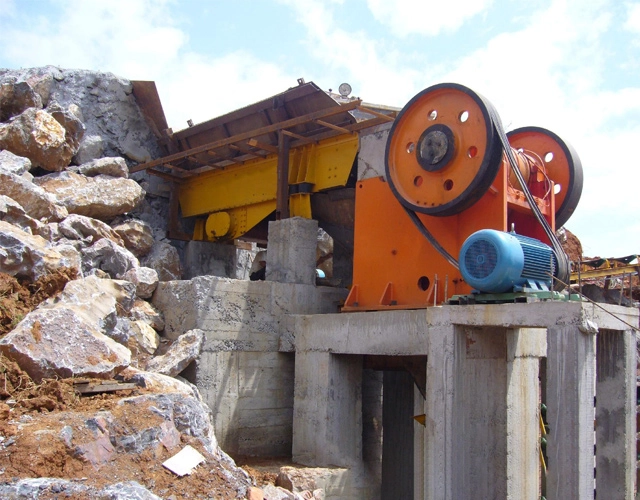
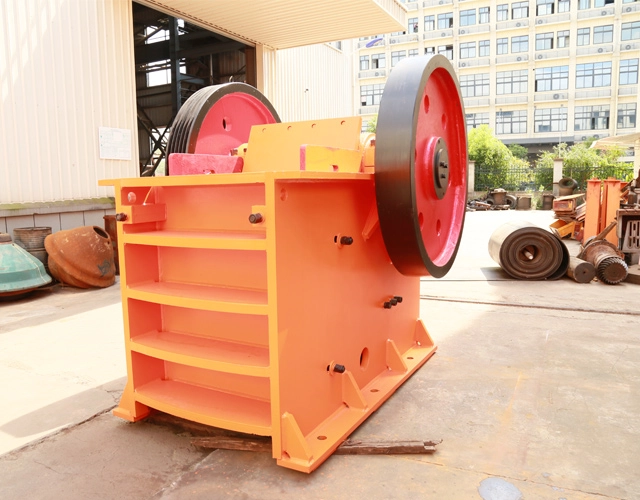
· Crushing: The raw silica sand is initially crushed to reduce the size of larger particles and ensure uniformity in the material. The crushing process also helps in removing larger impurities that can affect the purity of the sand.
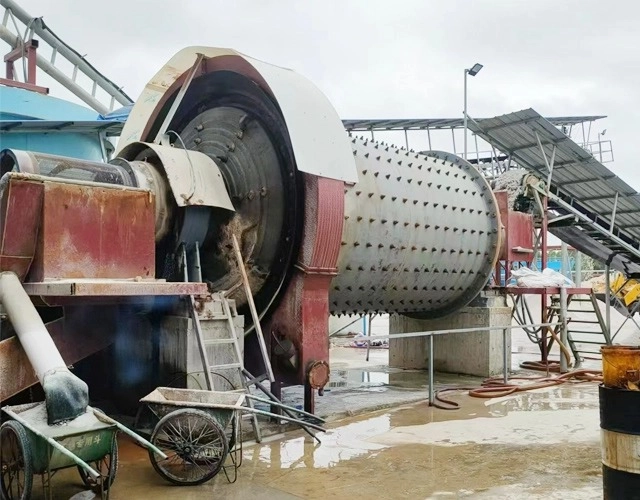
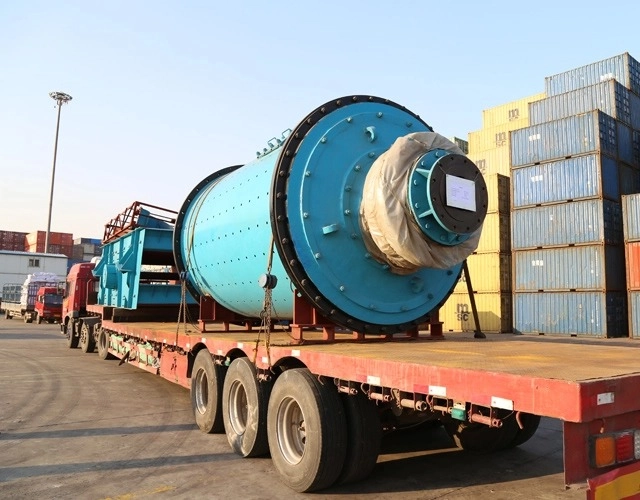
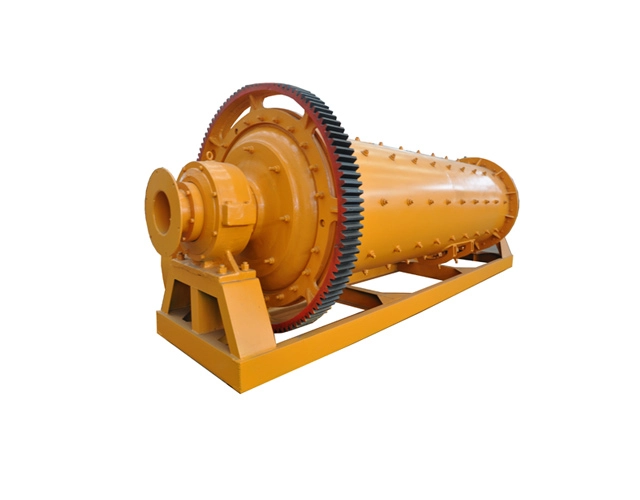
· Grinding: After crushing, the sand is ground to a finer consistency. This step ensures that the particles are small and uniform, which is essential for the melting process in glass production. Fine grinding also enhances the dissolution of the sand in the melting furnace, ensuring a smooth and uniform glass product.
· Screening: Screening is performed to separate particles based on size, removing any remaining larger debris or unwanted particles that could affect the purity of the sand. The precision of screening ensures that only the finest silica sand is used in glassmaking, eliminating potential defects in the final product.
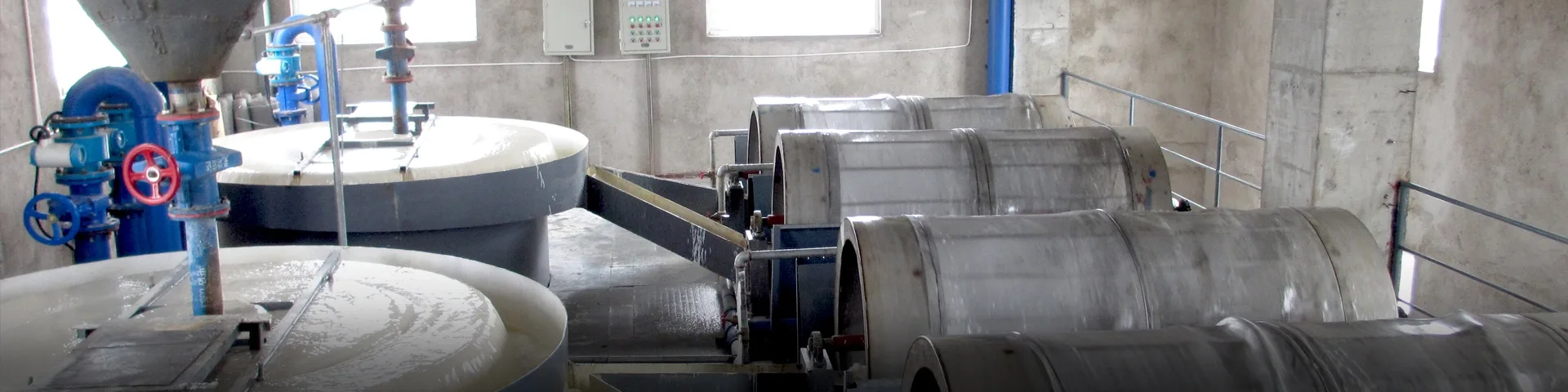
· Washing: The sand is thoroughly washed to remove any surface impurities, including dust, clay, and organic matter, which can interfere with the glass-making process. This step is crucial in ensuring that the silica sand meets the required specifications for purity.
· Drying: Finally, the washed silica sand is dried to remove any moisture, ensuring that the sand is ready for use in glass production without causing any complications in the furnace. Proper drying also prevents clumping and ensures that the sand flows freely during the glass production process.
Each step in this production line is designed to maximize the purity of the silica sand, ensuring that it meets the strict quality requirements of the glass industry. The comprehensive purification process not only enhances the sand’s clarity and strength but also improves its overall performance in glass production.
Silica sand is an indispensable ingredient in the production of various glass products. High-purity silica sand is used in the manufacture of:
· Flat Glass: This type of glass is used in windows, mirrors, and architectural applications. It requires high transparency and clarity, which is achieved through the use of high-purity silica sand. In industries such as construction and automotive, flat glass is essential for producing windows, windshields, and other transparent components.
· Glass Containers: Bottles, jars, and other glass containers are made from silica sand that has been processed to ensure strength and durability. The purity of the silica sand impacts the structural integrity and quality of the containers, ensuring that they are resistant to breaking and have high aesthetic appeal.
· Fiberglass: Fiberglass, which is used in insulation, automotive parts, and other industrial applications, requires very high-purity silica sand. The sand’s purity directly affects the quality of the fiberglass and its properties, including its strength, insulation capabilities, and durability.
In addition to glassmaking, silica sand produced by Nanjing Sinonine’s production line finds applications in other industries such as foundries, ceramics, and construction, where it is used for molding, casting, and as a component in building materials. The versatility of silica sand makes it a highly sought-after raw material in various sectors, underscoring the importance of high-purity sand in ensuring superior product performance.
Sustainability is a key focus in modern industrial practices, and the silica sand production process is no exception. Nanjing Sinonine is committed to environmental responsibility, incorporating sustainable practices in its silica sand mining and production operations.
Efforts are made to minimize the environmental impact of silica sand extraction, including reducing energy consumption, utilizing water efficiently, and recycling materials where possible. The SINONINE Silica Sand Production Line is designed to be energy-efficient, reducing waste and ensuring that silica sand production remains environmentally sustainable. By implementing these practices, Sinonine helps ensure that the production of high-purity silica sand does not come at the expense of the environment. Moreover, the company employs eco-friendly mining methods and technologies that reduce soil erosion and protect local ecosystems.
The SINONINE Silica Sand Production Line stands out for its use of advanced technologies that enhance both the efficiency and quality of silica sand production. The production line incorporates state-of-the-art machinery that improves the precision of each step, from crushing to drying. Innovations such as automated monitoring systems, precision screening, and high-efficiency washing techniques allow for better control over the purity of the silica sand, ensuring consistent quality.
These technological advancements not only improve the overall efficiency of the production process but also contribute to the long-term sustainability of silica sand manufacturing. The use of automation and real-time monitoring systems enables better quality control, reducing human error and ensuring that each batch of silica sand meets the desired standards. By staying at the forefront of technological innovation, Nanjing Sinonine ensures that its production line remains competitive and capable of meeting the evolving demands of the glass industry.
The use of high-purity silica sand is crucial for producing top-quality glass products, and Nanjing Sinonine’s Silica Sand Production Line plays a key role in meeting this demand. By offering an advanced, efficient, and environmentally responsible production process, Sinonine ensures that glass manufacturers receive silica sand of the highest purity, contributing to the creation of superior glass products across various industries. To learn more about our Silica Sand Production Line or inquire about how it can benefit your business, contact us today.